.png)
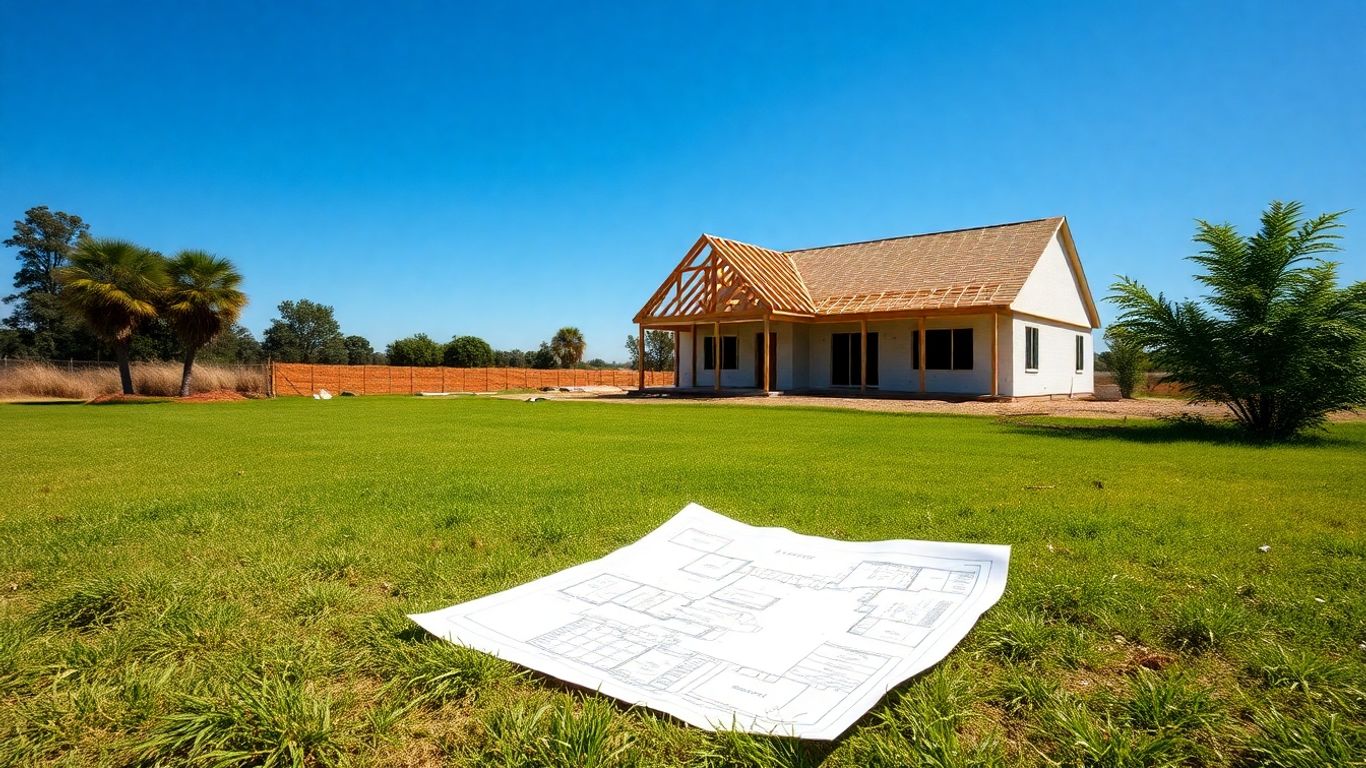
Thinking about building a home on your own land? It’s a big project, for sure. But with a little planning, you can turn that empty lot into the home of your dreams. This guide breaks down the whole process, from dreaming it up to moving in. We'll cover the important steps so you know what to expect when building on your land.
Key Takeaways
- Building on your own land gives you total control over design and location.
- Figuring out your budget and getting financing sorted early is a must.
- Understanding your land's features and local rules is step one.
- Getting all the necessary permits before starting is critical.
- Working with a good builder and team makes the whole experience smoother.
Planning Your Dream Home Build
So, you've got land and a dream of a house on it. That's awesome! But turning that dream into a real place you can live in takes some serious planning. It's not just about picking out pretty colors, though that's part of it. This first phase is all about getting your ducks in a row before you even think about digging. Getting this part right makes the rest of the process so much smoother.
Defining Your Vision and Goals
Before anything else, you need to figure out what you actually want and need in a home. Think about how you live day-to-day. Do you work from home and need a dedicated office space? Do you love to entertain and want a big open kitchen? How many people will be living there, now and in the future? Jotting down a list of must-haves versus nice-to-haves is a good start. Consider things like:
- The overall style you're going for (modern, farmhouse, traditional, etc.).
- The number of bedrooms and bathrooms.
- Specific features like a large pantry, a mudroom, or a screened-in porch.
- How you want the rooms to flow into each other.
It's also smart to think about your timeline. Are you hoping to move in next year, or is this a longer-term project? Having a general idea of when you want to be done helps set realistic expectations.
This initial brainstorming is where you lay the foundation for everything that follows. It's about translating your lifestyle into a physical space, so take your time and really think it through.
Establishing Your Budget and Financing
This is probably the least fun, but most important, part. You need to know how much money you have to work with. If you're getting a loan, talk to a lender who understands construction loans. They're a bit different from regular mortgages. Getting pre-approved early on gives you a solid number to work with, so you don't fall in love with designs or land that's way out of your price range.
Here's a quick look at what to consider:
- Total Project Cost: This includes not just the house itself, but also land improvements, permits, design fees, and unexpected extras.
- Financing Options: Explore construction loans, personal savings, and any other sources of funds.
- Contingency Fund: Always set aside extra money (usually 10-20%) for things that pop up unexpectedly. Trust me, they always do.
Knowing your financial limits upfront prevents a lot of heartache down the road.
Creating a Digital Vision Board
Okay, now for the fun part again! Once you have a clearer idea of your goals and budget, it's time to get inspired. A digital vision board, like one you might make on Pinterest or a similar app, is a fantastic way to collect all the ideas you're finding. Save pictures of home styles, room layouts, specific features, materials, and even landscaping ideas that catch your eye. This isn't just about pretty pictures; it helps you see patterns in what you like and gives your builder or designer a visual reference for your taste. It's like creating a mood board for your future home. You can organize it by room or by feature, making it a really useful tool when you start talking to professionals.
Finding and Preparing Your Ideal Lot
So, you've got the dream home in your head, but where's it going to sit? Finding the right piece of land is like finding the perfect stage for your masterpiece. It’s not just about a pretty view; it’s about making sure your dream home can actually be built there, safely and legally. This step can feel a bit like detective work, but getting it right makes all the difference.
Locating the Perfect Homesite
This is where the adventure really begins. You might already have land, or you might be out hunting for that ideal spot. Think about what you want your everyday life to look like. Do you picture yourself out in the country, close to family, or maybe near your work? Searching online is a good start, but don't underestimate driving around the areas you like. Sometimes, you just get a feel for a place when you're there. Local real estate agents who know the area well can also be a big help in pointing you toward suitable properties.
Understanding Site Suitability and Zoning
Once you've found a few potential spots, it's time to get down to business. You need to make sure the land is actually buildable and that you're allowed to build what you want on it. This involves a couple of key things:
- Zoning Laws: Every town or county has rules about how land can be used. You need to check the zoning to make sure a residential home is permitted and to understand any restrictions, like minimum lot sizes or how close you can build to property lines.
- Site Conditions: Is the land sloped? Does it drain well? Are there a lot of big rocks or trees to deal with? These factors affect how much work and money it will take to get the site ready for building. Sometimes, you might need a professional to come out and give you an assessment.
- Utilities: How will you get water, electricity, and sewer service to your home? If these aren't already nearby, bringing them to the site can be a significant expense.
Here’s a quick look at what to consider:
Don't skip the due diligence on the land itself. What looks like a great deal on paper can turn into a money pit if the site has hidden problems or restrictive rules that prevent you from building your dream home.
Clearing and Leveling the Land
Okay, so you've got the land, and it's zoned correctly. Now comes the physical work of preparing it. This is where the raw plot starts to transform into a buildable space.
- Clearing: This means removing anything that shouldn't be there – trees, stumps, large rocks, old debris. The goal is to have a clean slate.
- Grading: After clearing, the land needs to be shaped. This usually involves leveling the area where the house will sit and creating slopes to ensure water runs away from the foundation. Proper drainage is super important to prevent future water damage.
- Excavation: Once graded, the crew will dig out the space for your foundation, whether it's a basement, crawl space, or slab.
This stage might not be as exciting as picking out paint colors, but it's the bedrock (literally!) of your entire project. Getting this groundwork right sets the stage for a solid, long-lasting home.
Designing Your Custom Residence
Translating Vision into a Blueprint
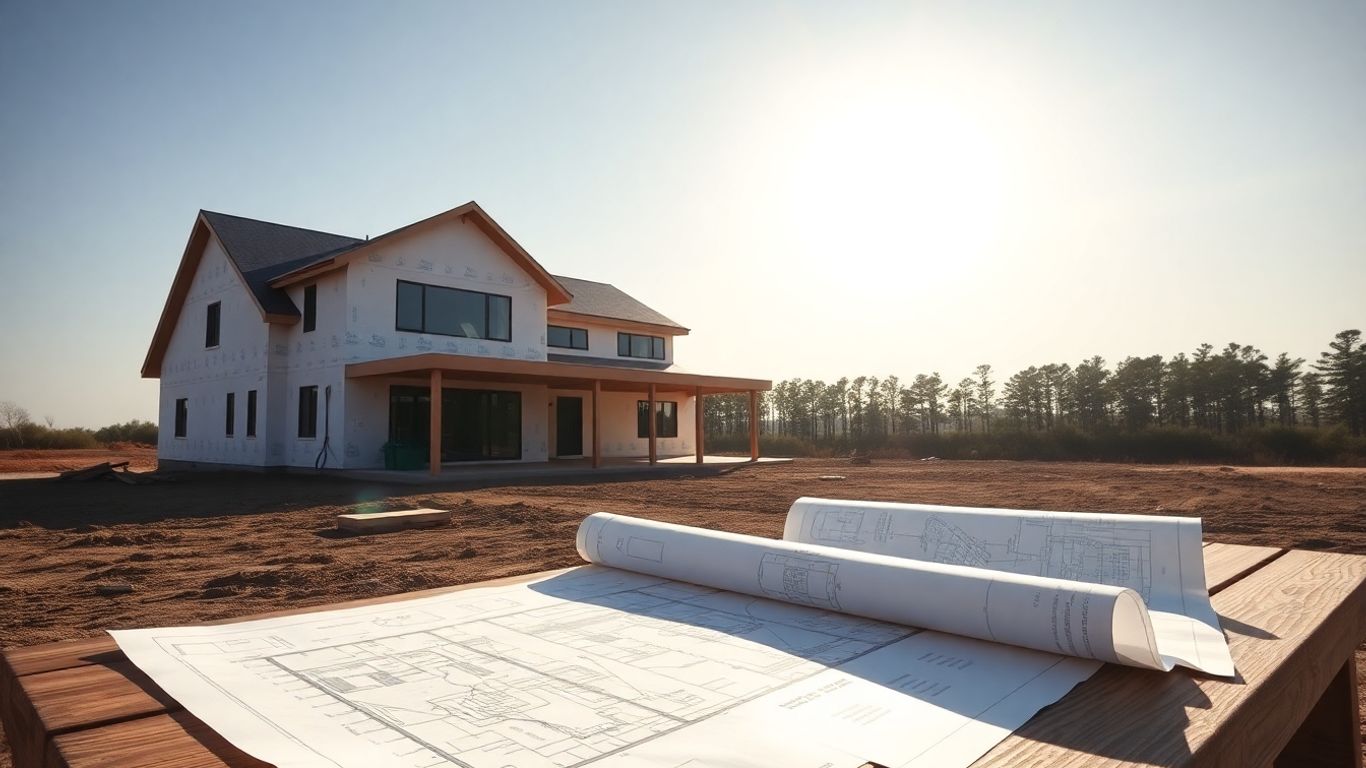
This is where your dream really starts to take shape on paper. You've got your ideas, your must-haves, and maybe a few Pinterest boards full of inspiration. Now, it's time to get those thoughts organized into something a builder can actually work with. Think of the blueprint as the detailed instruction manual for your future home. It's not just about drawing rooms; it's about figuring out how you'll actually live in the space. This means thinking about how rooms connect, where the light will come in, and even how furniture might fit. The goal is to create a functional layout that feels right for your daily life.
Leveraging 3D Renderings for Visualization
Looking at flat blueprints can be tough for most people. That's where 3D renderings come in handy. These are like realistic computer-generated pictures of what your home will look like, both inside and out. They help you see the scale of rooms, how different materials might look together, and the overall feel of the house before a single shovel hits the dirt. It’s a great way to catch things you might not have noticed on paper. You can walk through virtual rooms and get a much better sense of the space.
Incorporating Personal Needs into Design
This is your chance to build a home that truly fits you. Forget cookie-cutter layouts. Think about what makes your life easier or more enjoyable. Do you work from home and need a quiet office space? Do you love to cook and need a big kitchen with lots of counter space? Maybe you have family members who need easy access to the main floor. Consider things like:
- Storage solutions: Built-in shelves, walk-in pantries, or extra closet space.
- Accessibility: Wider doorways, single-level living, or grab bars in bathrooms.
- Lifestyle features: A mudroom for messy boots, a dedicated laundry room, or an outdoor living area.
Making sure the design reflects how you actually live is key to loving your home for years to come. It’s about building smart, not just building big.
Here’s a look at how different spaces might be considered:
Navigating Permits and Site Preparation
With your design finalized, it's time to get down to the nitty-gritty of making your dream home a reality on your land. This phase is all about the official paperwork and the physical groundwork that sets the stage for construction. It might not be as glamorous as picking out paint colors, but trust me, getting these steps right is super important for a smooth build.
Securing Necessary Building Permits
Before any heavy machinery can even think about showing up, you absolutely need the green light from your local government. This means submitting your detailed building plans to the municipal building department. They'll go over everything with a fine-tooth comb to make sure your project lines up with all the local zoning rules, building codes, and safety standards. Think of it as getting your official permission slip to build.
It's usually not just one single permit you're after. Often, it's a whole package of approvals. You'll likely need:
- The Main Building Permit: This covers the overall structure of your house.
- Electrical Permit: For all the wiring, outlets, and your home's electrical panel.
- Plumbing Permit: This deals with every pipe, drain, and fixture.
- Mechanical Permit: For your heating, ventilation, and air conditioning (HVAC) system.
Your builder will probably handle the actual submission process, but it's a good idea to stay in the loop. Ask about the expected timeline and any potential hiccups. Sometimes, a simple mistake on a drawing or a missing signature can cause frustrating delays.
Getting the right permits in place is like building a solid foundation for your project's legal standing. Skipping this step or rushing through it can lead to major headaches, fines, or even having to tear down work that's already been done. It's the official stamp that says, 'You're good to go.'
Conducting Land Surveys and Soil Testing
Once you have your permits, the focus shifts to understanding exactly what you're building on. This is where professional surveys and tests come into play.
- Boundary and Topographical Survey: A licensed surveyor will come out and precisely mark your property lines. They'll also map out the land's contours, elevations, and any existing features like trees or water bodies. This survey is your guide for placing your home perfectly on the lot, making sure it fits within your boundaries and works with the natural landscape.
- Geotechnical Analysis (Soil Testing): An engineer will take core samples from your land to figure out what kind of soil you have. Is it clay? Sand? Rocky? The results of this test are really important because they directly influence how your foundation needs to be designed. This helps prevent your house from settling or shifting over time.
Essential Groundwork for Construction
With the surveys done and soil tests analyzed, it's time for the heavy equipment to roll in. This is the physical preparation of your site.
- Clearing and Grading: This involves removing trees, large rocks, and any other debris from the building area. The land is then carefully leveled or sloped to ensure water drains away from where your foundation will be. Proper drainage is non-negotiable.
- Excavation: The crew will dig out the space for your basement or foundation footings, following the architectural plans precisely.
- Utility Hookups: Trenches are dug to lay the lines for water, sewer (or septic system), natural gas, and electricity, connecting your future home to the necessary services.
This groundwork might not be the most exciting part of building, but it's the unsung hero. It's the critical work that makes sure your home will be safe and stable for years to come.
The Construction Process Unveiled
Building a house on your own land is a journey that turns an idea into a real, physical place you’ll call home. Getting through the construction stage means working through several steps in a pretty specific order. Missing a step can mean delays or extra costs, so understanding the flow is important. Here’s how the main construction pieces typically play out, and what you can expect as the build comes to life.
Foundation Pouring and Setting the Stage
Your construction adventure really starts with the foundation. Before anything exciting goes up, there’s a lot of action underground. The site is cleared, graded, and marked so the footprint of the house sits exactly where it should. Next comes excavation and forming—the crew digs out space for footings or a basement, sets up wooden molds, then pours concrete for the foundation walls or slab.
- Steps during this phase:
- Survey the lot and mark building lines.
- Excavate for footings, slab, or basement.
- Install drainage and utility connections under the slab.
- Pour and cure the concrete foundation.
- Waterproofing and insulation.
The stage is set for every inch of your future home as soon as the foundation is done—this part really determines everything that follows, even if it looks like a giant hole in the ground for a while.
Framing and Rough-In Mechanicals
Framing is when your dream starts to look like an actual house. Think of this as raising your home’s "skeleton"—walls, floor joists, and the roof system all get put in place. After that, crews start on the mechanical rough-ins: that means running the wiring, plumbing, and ductwork that make your home livable. These systems get tucked inside walls and ceilings before drywall ever goes up. For a breakdown, take a look at the usual flow:
- Things to keep an eye on:
- Window and door openings are placed.
- Roof trusses get set and sheathing goes on.
- Inspectors may check wiring and pipes before walls get closed up.
Exterior and Interior Finishing Stages
Now it finally looks and feels like a home. Exterior finishes—windows, doors, roofing, and siding—help seal up the home so rain and weather don’t get inside. Inside, crews tackle drywall, paint, flooring, trim, cabinetry, and fixtures. Here’s how the tasks often break down:
- Exterior:
- Roof installation and waterproofing
- Siding and exterior trim
- Window and door installs
- Interior:
- Sheetrock (drywall) install and paint
- Cabinets and countertops go in
- Lights, switches, and plumbing fixtures
These last stages add the character and comfort to your space. After months of loud, messy progress outside, the house begins to feel warm and ready for living.
As you watch your build move from blueprint to reality, the stages of construction offer a predictable path, but it’s also totally normal for timing to shift depending on weather, material shortages, or inspections. Stay patient, communicate with your builder, and celebrate every milestone—your new home is officially on its way.
Partnering with Building Professionals
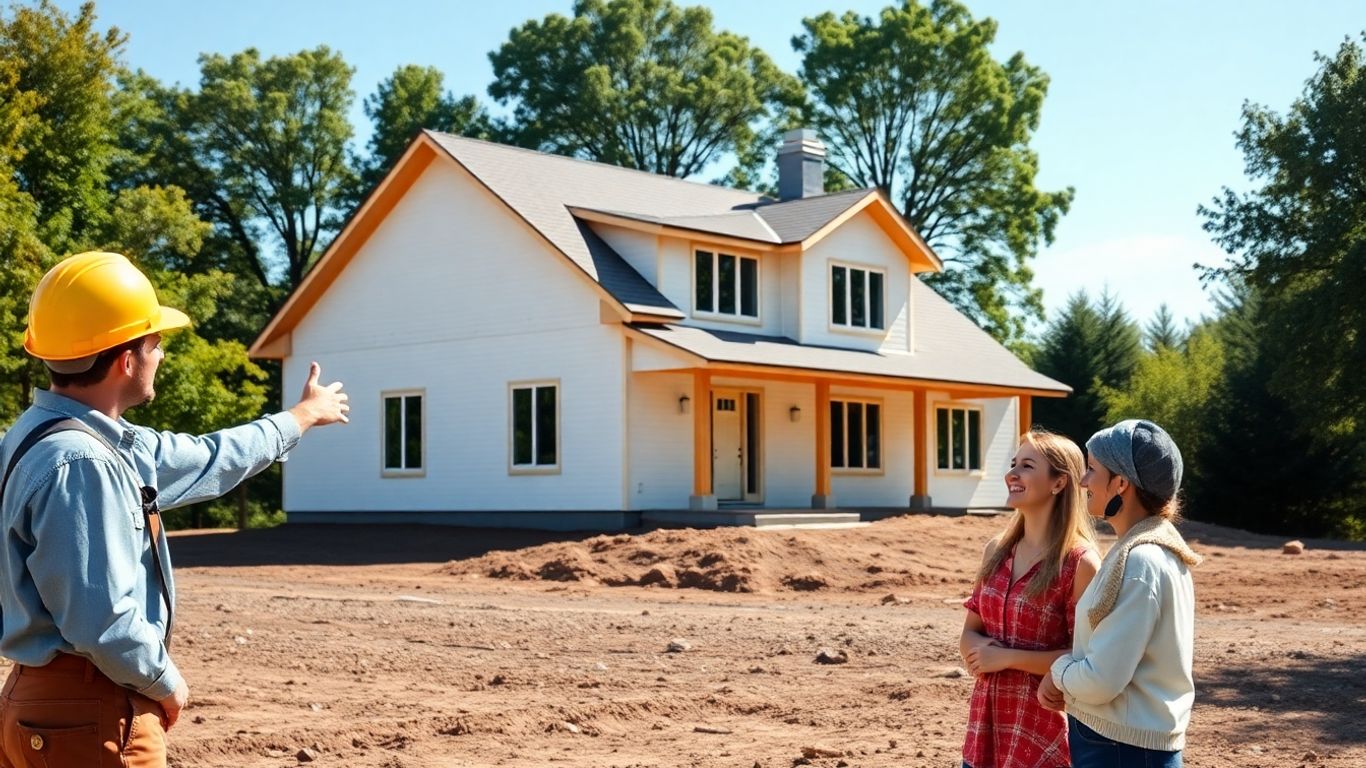
Building your dream home is a big undertaking, and you absolutely don't want to go it alone. Think of it like building a really complicated piece of furniture – you could try to do it all yourself, but it's way easier and usually turns out better if you have some help from folks who know what they're doing. This is where your team of building pros comes in. They're the ones who take your ideas, your budget, and the land itself, and turn it all into a real house.
Selecting Your Custom Home Builder
Finding the right custom home builder is probably the most important decision you'll make. This person or company is going to be your main point of contact, the one managing the whole construction process. You want someone you can trust, someone who communicates well, and someone whose work you admire. Don't just pick the first name you see or the cheapest quote. Do your homework.
Here’s a quick checklist for vetting builders:
- Ask for references: Talk to people they've built for before. Did they finish on time? Did they stay within budget? Were they easy to work with?
- Check their experience: How long have they been building custom homes? Do they have experience with the style of home you want?
- Look at their past projects: If possible, go see some homes they've built. Pay attention to the details and the overall quality.
- Understand their contract: Make sure you know exactly what's included and what's not. Don't be afraid to ask questions about anything that seems unclear.
The builder's job is to construct the house according to the plans and specifications. While they are experts in construction, they aren't mind-readers. Clear, consistent communication from you about your expectations and any changes is key to a smooth process.
Collaborating with Architects and Designers
Before you even talk to a builder, you'll likely want an architect or a designer to help you create the actual plans for your home. These are the creative minds who translate your vision into blueprints. An architect will focus on the overall structure, layout, and flow of the house, making sure it's functional and meets building codes. A designer, often an interior designer, will focus on the look and feel of the spaces inside – think finishes, colors, fixtures, and furniture.
It's a good idea to have these professionals work together from the start. They can bounce ideas off each other and make sure the aesthetic vision aligns with the structural realities. They should be asking you a lot of questions about how you live, not just what you think looks good. For example, if you have young kids, they might suggest durable flooring or clever storage solutions you hadn't considered.
The Importance of a Trusted Construction Team
Your builder, architect, and designer form the core of your construction team. But there are other professionals involved too, like structural engineers, surveyors, and even specialized subcontractors for electrical, plumbing, and HVAC. Your builder usually manages these subcontractors, but it's good to know they're part of the picture.
Think of this team as your pit crew for building your house. You need them to be skilled, coordinated, and communicative. When everyone is on the same page and working towards the same goal – building your beautiful, functional home – the whole process becomes much less stressful and much more likely to end with a result you absolutely love. Building relationships with these professionals based on trust and clear communication is what makes the difference between a house and a home.
Your Dream Home Awaits
So, you've made it through the whole process. Building on your own land is definitely a big undertaking, but think about it – you're creating a space that's truly yours. It's not just a house; it's a reflection of you. Remember all those steps we talked about, from figuring out your budget to getting the permits? They all matter. And finding the right people to help, like a good builder, makes a huge difference. Now, with all that planning and hard work, you're ready to start making memories in a home you built from the ground up. It’s a pretty amazing feeling, right?
Frequently Asked Questions
What's the very first thing I should do when I want to build a home on my land?
Before you do anything else, it's super important to figure out how much money you can spend. Talk to a bank or lender who knows about building homes to get a clear idea of your budget. This way, you won't get your heart set on a dream that's too expensive.
Do I really need to hire professionals to help me build?
Yes, absolutely! Think of them as your guides. Builders know how to construct things safely and correctly, architects help design a home that works for you, and designers make sure it looks great. They work together to turn your ideas into a real house.
How do I know if my land is good for building?
You'll need to check a few things. Make sure the land is allowed to have houses built on it (that's zoning). Also, it's smart to have experts look at the soil and how the land is shaped to make sure it's stable and water will drain away properly. This prevents problems later on.
What are permits and why do I need them?
Permits are official okay-slips from your local government that say your building plans meet safety and building rules. You need them before you start building. Without them, you could face fines or have to tear down your work.
What's the difference between designing a home and building it?
Designing is like creating the recipe and drawing the pictures of your house – deciding how many rooms, where the windows go, and what it looks like. Building is the actual cooking and construction part, where crews put up walls, install pipes, and make it all happen based on those designs.
How long does it usually take to build a custom home?
It can take quite a while, often several months to over a year. It depends on how big and complex your home is, the weather, and how quickly you can get permits and materials. Your builder will give you a better idea of the timeline for your specific project.
Consultation Today!