.png)
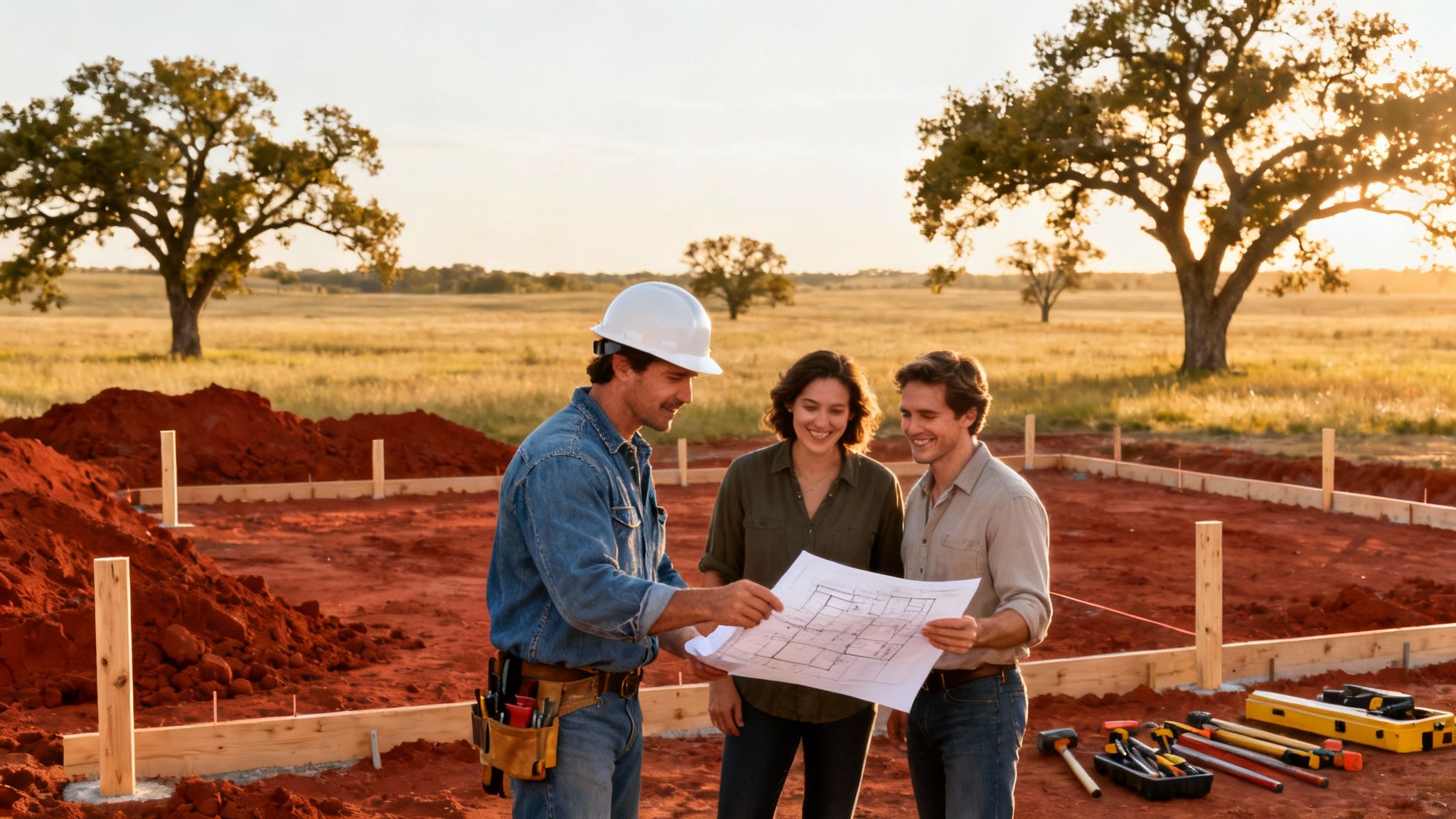
That moment you type "home builder near me oklahoma" into your search bar is thrilling. It’s the first real step toward turning a dream into your address. But it's also the start of a huge decision—choosing a partner who will build not just a house, but a home that reflects your life, whether it’s a modern farmhouse in rural Guthrie or a luxury estate in the heart of Edmond. This isn't just a construction project; it’s personal.
Finding the right builder means finding a team that gets it. As a client recently told us, "We were really impressed with the communication. Bono and the team kept us in the loop the entire time, and they were always available to answer our questions. It made a huge difference in our stress level." That feeling of trust and partnership is what separates a stressful build from an exciting journey. At ACET Custom Homes, we’ve spent over 15 years helping Oklahomans build their forever homes, and we've learned what truly matters.
This guide gives you the actionable steps and builder insights you need to navigate your search with confidence. We’ll cover everything from defining your vision to vetting builders and understanding the real costs, ensuring you find the perfect team to bring your dream to life.
Starting Your Search for an Oklahoma Home Builder
The road to your dream home starts long before anyone breaks ground. It begins with you, a clear vision, and a solid plan for finding the right builder. This isn't just about scrolling through websites; it's about figuring out your non-negotiables so you can properly vet the builders you talk to.
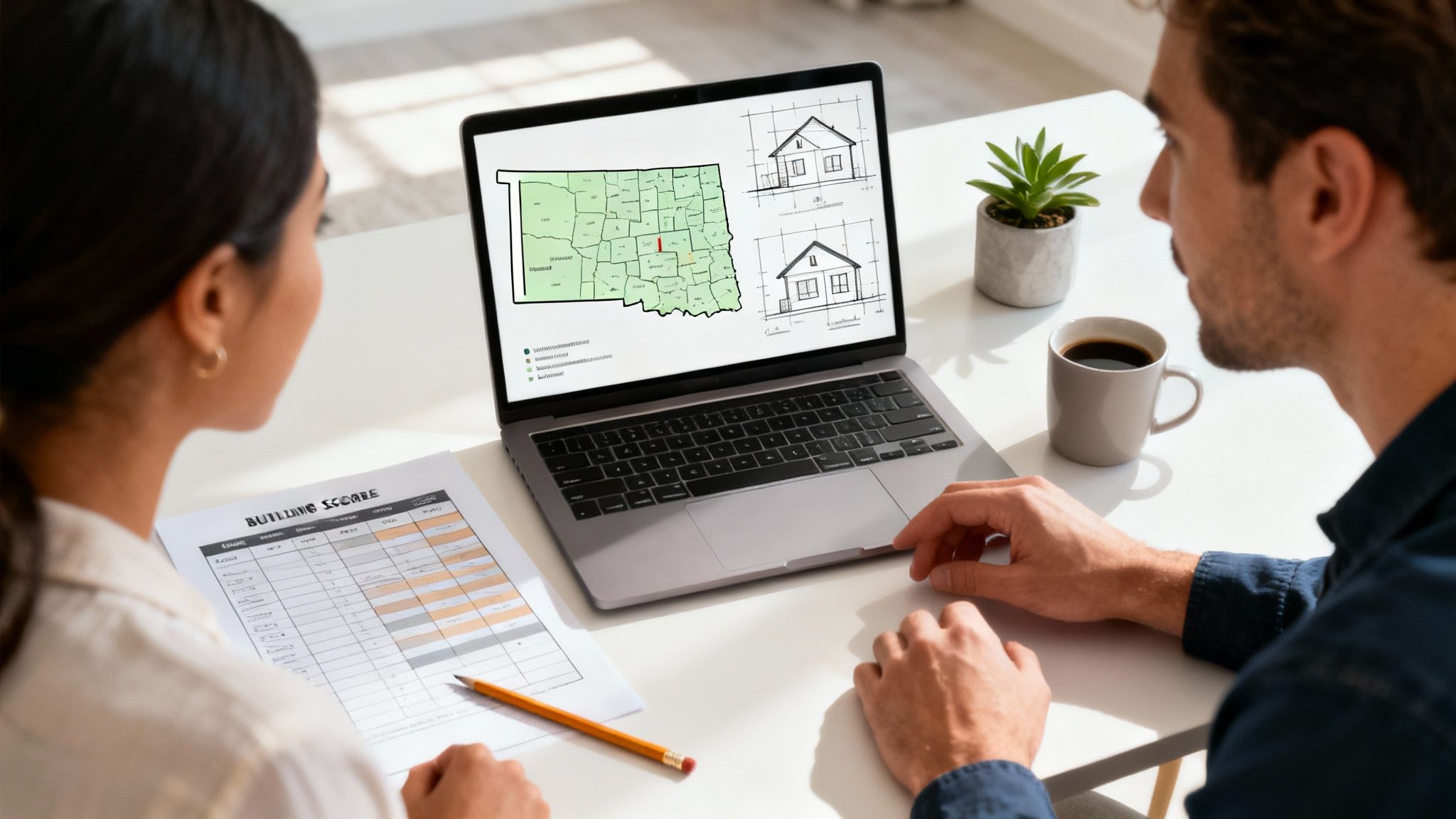
Before you even look at a single portfolio, you need to do some thinking. The answers to a few key questions will guide your entire project.
Step 1: Define Your Vision and Priorities
First things first: what are you building? Getting specific here will help you trim your list of potential builders right from the start.
- Where are you building? A builder who knows the ins and outs of a rural lot in Macomb or Elmore City will have a different skillset than one who primarily works on suburban plots in Deer Creek. Local experience with soil, permits, and utilities is a huge advantage.
- What's your style? Are you picturing something sleek and contemporary or a home with classic, timeless charm? You’ll want to find a builder whose past projects actually look like what you want.
- How involved do you want to be? Do you need a full-service design-build firm like ACET Custom Homes to manage every detail, from architectural plans to the final finishes? Or are you bringing your own architect to the table?
Nailing down these details lays the groundwork for a successful search. For a closer look at the different types of builders out there, our guide on choosing among custom home builders in OKC can provide some extra clarity.
Step 2: Set a Realistic Financial Foundation
Fortunately, the current housing market in Oklahoma gives custom home buyers a bit of breathing room. With moderate annual home price growth and healthy inventory, you can focus on finding the right lot and the right builder without feeling rushed.
This stability makes it an ideal time to work with a build-on-your-lot firm that can help you secure the perfect piece of land in a less frantic market. Getting this initial planning done means you’ll walk into your first meeting with a builder from a position of strength, ready to find a team that truly understands your goals.
How To Properly Vet Your Shortlist of Builders
Alright, you've done your homework and your search for a "home builder near me oklahoma" has turned up a handful of promising candidates. Now comes the most important part. Moving beyond the pretty pictures in their portfolios to dig into the real details is what makes the difference between a dream project and a nine-month headache.
This is your chance to really vet them, ensuring quality, honesty, and a good working relationship from day one.
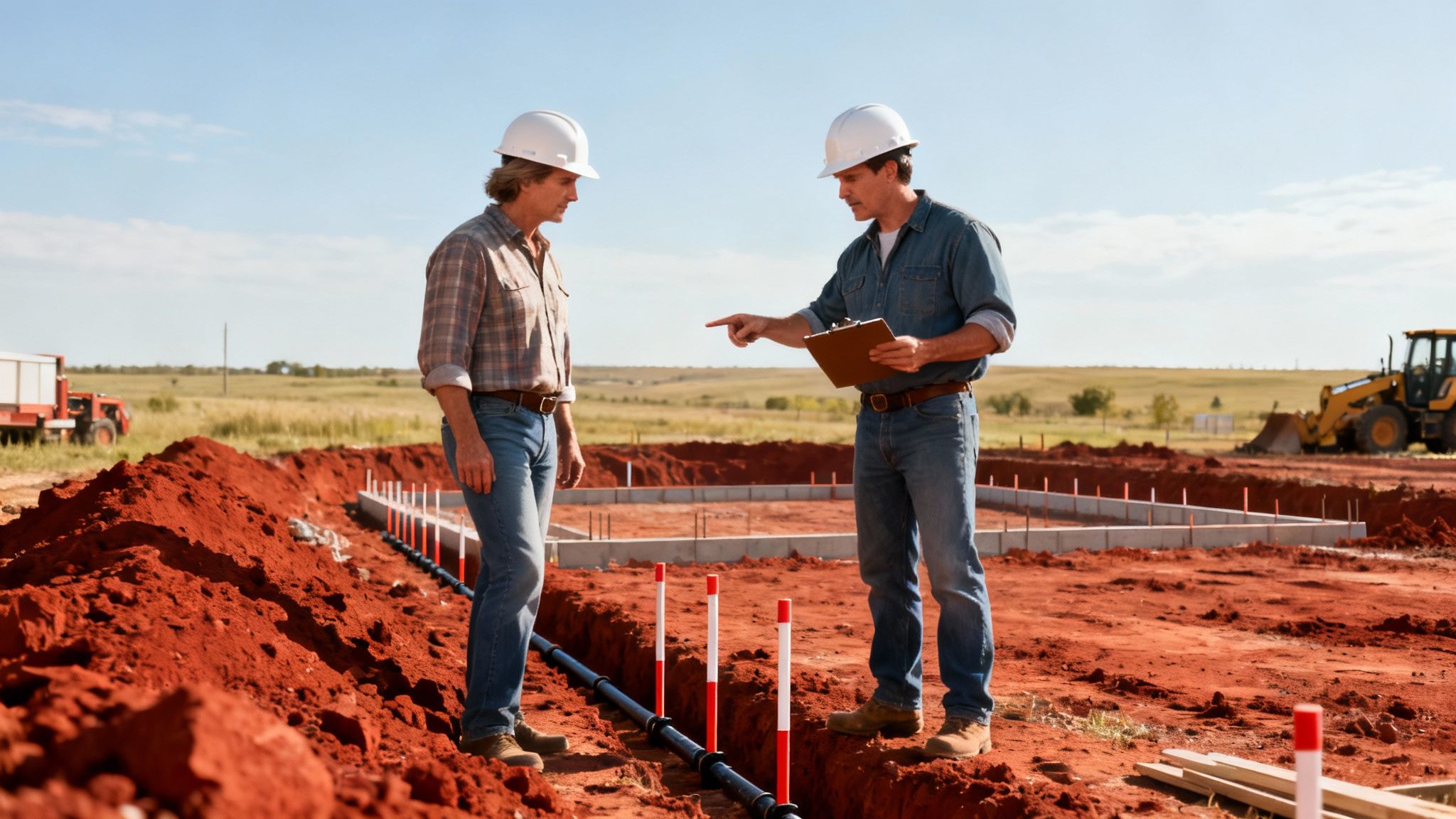
Think of it as a deep-dive interview. You need to verify their credentials, get a feel for their process, and make absolutely sure their experience fits what you need—whether you're building on a tight lot in OKC or on 10 acres out near Chickasha.
Checklist Item #1: Verify Licenses and Insurance
Before you get attached to a builder's style, nail down the fundamentals. This is the boring but absolutely critical part. In Oklahoma, you must confirm that any builder you're seriously considering is licensed and fully insured. Don't just take their word for it.
- Check Their License: You can easily verify their credentials with the Oklahoma Construction Industries Board. This is a simple, non-negotiable step that weeds out unqualified players right away.
- Confirm Insurance: Ask for their certificates of general liability and workers' compensation insurance. A legitimate, professional builder will have these ready to go. This isn't just red tape; it protects you from being on the hook financially if an accident happens on your property.
Checklist Item #2: Ask the Right Questions to Get Real Answers
Talking to a builder’s past clients is pure gold, but only if you ask the right questions. You need to go deeper than a simple, "So, were you happy?" to understand what it's really like to work with them.
Your goal is to find out how a builder acts when things don't go perfectly.
Questions to Ask Past Clients:
- How did the builder handle surprises or delays? Because they always happen.
- Did the final cost line up with the initial budget? How did they manage change orders?
- What was communication really like during construction? Did you feel informed?
- And the big one: Would you build with them again? Why or why not?
The answers to these questions will give you a much clearer picture of a builder's character than any slick brochure ever could.
Checklist Item #3: Test Their Oklahoma Building Knowledge
Building in Oklahoma isn't like building anywhere else. Our unique environment comes with its own set of challenges, and a builder's local experience is a massive factor in how well your home will stand up over time. A builder who mainly works in Norman needs a different approach to our infamous expansive clay soils than one building on sandy loam somewhere else.
Drill down on their local knowledge:
- Soil and Foundations: Ask them how they deal with Oklahoma's expansive red clay. What foundation type, like a post-tension slab, do they recommend for your specific lot and why?
- Weather-Ready Homes: What specific things do they do to make sure a home can handle our state's wild weather, from high winds to brutal summer heat?
- Site Prep and Drainage: Get them to walk you through their plan for grading your lot. Proper drainage is everything for preventing foundation problems down the road, especially on rural land.
A builder with deep local roots, like ACET Custom Homes with our 15+ years of experience all over Oklahoma, can give you answers based on what actually works here. For a deeper dive, check out our guide on how to choose the right home builder for your project.
Getting a Grip on Custom Home Costs in Oklahoma
Let’s talk about the money. The fear of a runaway budget can stop a dream home in its tracks. If you're searching for a "home builder near me oklahoma," you know the design is exciting, but nailing down the financial side is what makes it all possible. My goal here is to pull back the curtain on the numbers and give you a solid plan.
Think of your custom home budget less as one giant, scary number and more as a collection of smaller, manageable pieces. A trustworthy builder will walk you through a detailed, line-item budget. There shouldn't be any mystery. You need to see exactly where every single dollar is going.
As Bono, our project manager here at ACET, always puts it, "A transparent, line-item budget is the foundation of trust. When a client understands the costs, they can make informed decisions that align with their vision and budget."
Breaking Down the Budget
So, where does the money go? While every home is different, the costs generally fall into a few main buckets. Here’s a look at the core components of most Oklahoma custom home budgets:
- Site Work and Foundation: This is all the groundwork—literally. It involves clearing the lot, grading it for proper drainage (a huge deal in Oklahoma to prevent future foundation trouble), and pouring the foundation itself. Whether you go with a post-tension slab or a conventional one often comes down to the soil conditions on your specific lot, whether it's in Moore, Norman, or out in the country.
- Framing and Exterior: This is the exciting part where you see your house start to take shape. This category covers all the lumber and labor for the skeleton of the home, plus the roofing, windows, and exterior finishes like brick, stone, or siding.
- Interior Finishes and Fixtures: Here's where your personal style really comes to life, and it's also the most variable part of the budget. This bucket includes everything from drywall and paint to flooring, cabinets, countertops, lighting, and plumbing fixtures. Your choices here will have a major impact on the final price tag.
- Mechanical Systems: We're talking about your HVAC, electrical, and plumbing systems. For instance, deciding to install a high-efficiency geothermal system will cost more upfront, but it can pay you back with big savings on utility bills down the road—a smart move with our hot Oklahoma summers.
Allowances vs. Fixed Costs: A Key Difference
Understanding this concept is crucial for keeping your budget on track.
A common tripwire for homeowners is a budget with underfunded allowances. A good builder won't just pull numbers out of thin air; they'll set realistic allowances based on the quality and style you've discussed. This prevents sticker shock later on. Always ask a potential builder how they came up with their allowance figures to make sure you’re on the same page.
For a much deeper dive into the numbers, check out our complete guide on understanding luxury home construction costs. It’s packed with more detailed information on budgeting for high-end features and finishes.
From Foundation to Final Walkthrough
Building a custom home is an incredible journey, transforming a patch of Oklahoma dirt into the place you'll make memories for years to come. Understanding the major milestones along the way can turn a potentially stressful process into the exciting adventure it's meant to be. Let's walk through the construction timeline so you know exactly what to expect.
A successful build starts long before the first shovel hits the ground. It begins with a transparent and structured consultation.
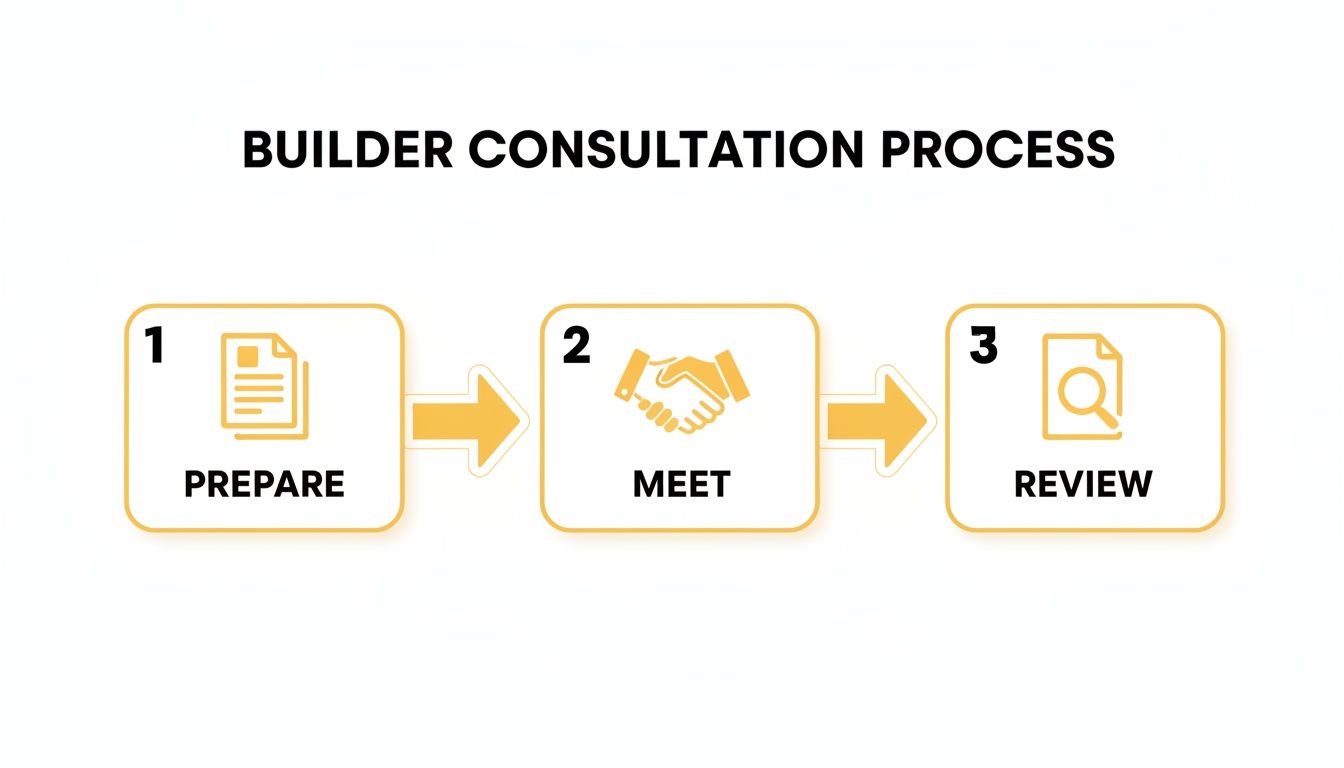
This initial collaboration is all about setting clear expectations. Once everyone is on the same page, the real work of bringing your vision to life can begin with confidence.
Phase 1: Site Preparation and Foundation
Everything starts with the land. Whether your lot is in a bustling Edmond neighborhood or on a quiet, rural tract near Shawnee, it needs to be properly prepared. This first phase involves clearing the build site, grading the earth to ensure proper water drainage, and digging for the foundation and utility lines.
Oklahoma's expansive clay soil can be tough on foundations, so you need a solution built to last. It’s why many experienced local builders, including us at ACET Custom Homes, rely on post-tension slab foundations. These aren't your average slabs; they are engineered with steel cables that are tightened after the concrete has cured. The result is an incredibly strong, crack-resistant base that can handle the shifting Oklahoma ground.
Phase 2: Framing and Drying-In
This is the moment your blueprints leap into reality. The framing stage is one of the most exciting parts of the build, as the walls go up, the roofline takes shape, and the skeleton of your home is assembled. For the first time, you can physically walk through the rooms and truly feel the flow and scale of your new space.
Next, the house is "dried-in." This crucial step involves installing the windows, exterior doors, and a protective house wrap. It effectively seals the structure, protecting the interior from Oklahoma's famously unpredictable weather and allowing the inside work to start.
Phase 3: The Mechanical Rough-In and Insulation
With the home protected from the elements, the focus shifts to its vital systems. During the "mechanical rough-in," teams of plumbers, electricians, and HVAC technicians work their magic, running all the pipes, wiring, and ductwork through the interior walls. It’s a complex web that will soon be hidden, but it’s the heart of a functional modern home.
After these systems pass inspection, insulation is installed. Don't underestimate this step. High-quality insulation is your best defense against scorching July heat and frigid January nights, making your home more comfortable and keeping your utility bills in check for decades.
Phase 4: Finishes and the Final Walkthrough
Now for the fun part—seeing your personal style come to life. Drywall is hung and finished, your chosen paint colors go on the walls, and the beautiful details are installed. This is when the cabinets, countertops, flooring, and light fixtures you picked out months ago are all put into place.
The last major milestone is the final walkthrough. You'll join your builder to go through the home with a fine-tooth comb, creating a "punch list" of any small adjustments or touch-ups that are needed. Once you’re completely satisfied and those items are checked off, you get the keys. It’s the culmination of all the planning and hard work—and the beginning of your new life in a home built just for you.
Frequently Asked Questions (FAQ)
How Much Does It Cost Per Square Foot to Build a Custom Home in Oklahoma?
In Oklahoma, the cost to build a truly custom home typically ranges from $150 to over $300 per square foot. This wide range is influenced by your design's complexity, the quality of finishes you select, and the specific site preparation your lot requires. A flat per-square-foot estimate is just a starting point; a transparent builder will provide a detailed, line-item budget to show you exactly where your money is going.
How Long Does It Take to Build a Custom House in Oklahoma City?
From initial design to receiving your keys, plan for a timeline of about 9 to 18 months for a custom home in the OKC metro area. Factors like design complexity, city permitting, unpredictable Oklahoma weather, and material availability can all influence this schedule. A good builder provides a realistic timeline upfront and maintains clear communication about any potential delays.
What Should I Look for in a Home Builder's Contract?
A strong builder's contract is your project's rulebook and should be completely clear. Key elements to look for include a detailed scope of work, a clear payment schedule tied to construction milestones, a defined process for handling change orders, and a comprehensive warranty description. Always ensure it includes proof of the builder's liability and workers' compensation insurance. It's wise to have a real estate attorney review it before signing.
Can I Use My Own Architect or Floor Plan with a Custom Builder?
Yes, absolutely. Most reputable custom builders, including ACET Custom Homes, welcome clients who bring their own architect or floor plans. A collaborative builder will review your plans for structural integrity and local code compliance, then work with you to develop a precise construction budget that brings your unique vision to life.
Ready to design your custom home? Schedule a free consultation with ACET Custom Homes today.
Consultation Today!