.png)
So, you're thinking about building your own place, huh? That's pretty awesome. It means you get to call all the shots, picking out everything from where the windows go to what color the front door is. But let's be real, making a dream home happen isn't just about cool ideas; it's about having the right people on board. The Custom Home Builder you pick is kind of a big deal. They're the ones who will actually turn your sketches and daydreams into solid walls and a roof over your head. Picking the wrong one can turn your exciting project into a total headache, with delays, surprise costs, and maybe even a house that's not quite what you pictured. This guide is here to help you figure out how to find that perfect Custom Home Builder.
Key Takeaways
Before you even look at builders, get clear on what you want your home to feel like and what features are must-haves. Knowing your own vision helps you find a Custom Home Builder who fits.
Do your homework! Ask friends for recommendations, check out builder websites and portfolios, and see if they're part of any professional groups. This helps you find reputable Custom Home Builders.
Talk money early. A good Custom Home Builder will be upfront about their pricing, how they estimate costs, and what the payment schedule looks like. Transparency here is key.
Check their track record. Have they built homes like yours before? How do they manage projects and communicate with clients? Visiting past projects can show you their quality of work.
Communication is everything. Make sure your Custom Home Builder is someone you can talk to easily, who listens to your ideas, and keeps you in the loop about what's happening on site.
Define Your Vision Before Selecting A Custom Home Builder
Before you even start looking at builders, you really need to figure out what you want your new home to be like. It sounds obvious, right? But seriously, getting clear on this stuff beforehand makes the whole process so much smoother. It's not just about picking out paint colors; it's about the feeling of the house, how you'll live in it, and what makes it yours.
Clarify Your Home's Ambience and Purpose
Think about the vibe you're going for. Do you want a cozy, rustic cabin feel, or something sleek and modern? Maybe a place that's great for entertaining lots of friends, or a quiet retreat for just your family. Your home should reflect how you live and what makes you happy. Consider the daily routines: where will you drink your morning coffee? Where will the kids do their homework? Where do you see yourself relaxing after a long day? Answering these questions helps paint a picture of the space you actually need, not just the space you think you want.
Identify Special Requirements and Desired Features
Now, let's get into the nitty-gritty. Are there any must-have features? Maybe you need a home office with great natural light, a large pantry for all your cooking supplies, or a mudroom that can handle muddy boots and backpacks. Perhaps you have specific accessibility needs, like wider doorways or a single-story layout. Don't forget about the little things that make a big difference, like built-in shelving, a dedicated laundry room, or even a spot for your pet's food bowls. List them all out, even the ones that seem a bit out there. You never know what's possible until you ask.
Understand Why You Desire a Custom Home
Why a custom build in the first place? Are you tired of cookie-cutter houses that all look the same? Do you have a unique piece of land you want to build on? Maybe you have a specific architectural style in mind that you just can't find anywhere else. Understanding your core motivation will help you communicate your priorities to a builder. It's about more than just square footage; it's about creating a space that truly fits your life and your dreams, something you can't get with a standard build. This clarity will be your compass when you start talking to potential builders, helping you find someone who gets your vision.
Researching and Vetting Potential Custom Home Builders
So, you've got a pretty good idea of what you want your dream home to look like and feel like. That's awesome! But now comes the really important part: finding the person or team who's actually going to build it. This isn't like picking out a new couch; it's a huge decision that impacts your budget, your timeline, and honestly, your sanity. Taking the time to properly research and vet potential custom home builders is probably the most critical step you'll take.
Leverage Referrals and Professional Recommendations
Honestly, word-of-mouth is still king, especially in the custom home world. Start by asking people you already trust. Did your architect or designer recommend anyone? They often work closely with builders and know who does good work and who's easy to collaborate with. Your real estate agent might also have some names, especially if they help clients find land for new builds. Don't be shy about asking friends, family, or even neighbors who have recently built a custom home. Hearing about their experiences, both the good and the not-so-good, can give you a real head start. It’s like getting a sneak peek into how a builder operates before you even talk to them.
Explore Online Portfolios and Company Backgrounds
Once you have a few names, it's time to hit the internet. Most builders will have a website showcasing their past projects. Look through their portfolios – do you like the style of homes they build? More importantly, pay attention to the quality and the details. Are the finishes clean? Do the homes look well-constructed? Also, check out their "About Us" page to get a feel for their company history and their approach to building. Sometimes, you can find reviews on local business sites or even social media, though take those with a grain of salt. It's also a good idea to see if they have any affiliations with professional organizations. A builder who is licensed and insured is a must; they should be able to provide that information readily.
Consult Home Builder Associations for Reputable Options
Another solid way to find reputable builders is to check with local home builder associations. These groups often have directories of members who meet certain standards. It's a good way to get a list of builders in your area who are serious about their profession. You can usually find these associations with a quick online search for your city or region. They can be a great resource for finding builders who have a good standing in the community and are committed to quality construction.
Finding the right builder means looking beyond just the price tag. You're looking for someone who communicates well, has a solid track record, and genuinely seems to care about bringing your vision to life. It's about building a relationship, not just a house.
Here's a quick rundown of what to look for:
Portfolio Review: Do their past projects align with your desired style and quality?
Company History: How long have they been in business? Do they seem stable?
Online Presence: Check their website, social media, and any online reviews.
Professional Affiliations: Are they part of any builder associations or industry groups?
Remember, this research phase is all about gathering information so you can make an informed decision. It sets the stage for a smoother building process down the road.
Assessing a Custom Home Builder's Financials and Process
Understand Pricing Structures and Budget Transparency
When you're looking at custom home builders, the money talk can feel a bit… murky. It's super important to get a clear picture of how they figure out costs and how open they are about it. Don't be afraid to ask for a detailed breakdown of everything. A good builder will happily show you where the money goes, from materials and labor to permits and their own fee. They should be able to explain their pricing model, whether it's a fixed price or a cost-plus arrangement. With cost-plus, you'll want to know their markup percentage and how they calculate it. It’s not just about the final number; it’s about understanding the process behind that number.
Inquire About Payment Plans and Fee Discussions
How you pay for your dream home is just as important as the price itself. Builders usually have a payment schedule, often tied to construction milestones. You'll want to know what these stages are and when payments are due. Ask about any upfront deposits required and how progress payments work. It's also wise to discuss how they handle change orders – those inevitable tweaks or additions that come up during the build. What's their policy on fees for these changes? A builder who is upfront about this now can save you a lot of headaches later.
Gauge Their Approach to Project Management and Timelines
Beyond the money, how does this builder actually get things done? Their project management style and how they handle timelines tell you a lot about their organization and reliability. Ask them to walk you through their typical process from start to finish. How do they schedule different trades? Who is overseeing the day-to-day work on site? A builder who has a solid plan and can explain it clearly, even if it involves potential delays due to weather or material availability, is usually a good sign. They should be able to give you a realistic estimate for the build duration and explain how they'll keep you in the loop about progress.
A builder who can clearly articulate their process, from initial budgeting to final walkthrough, and who is transparent about potential costs and timelines, is a partner you can trust. It shows they respect your investment and are prepared to manage the complexities of building your home.
Evaluating a Custom Home Builder's Expertise and Fit
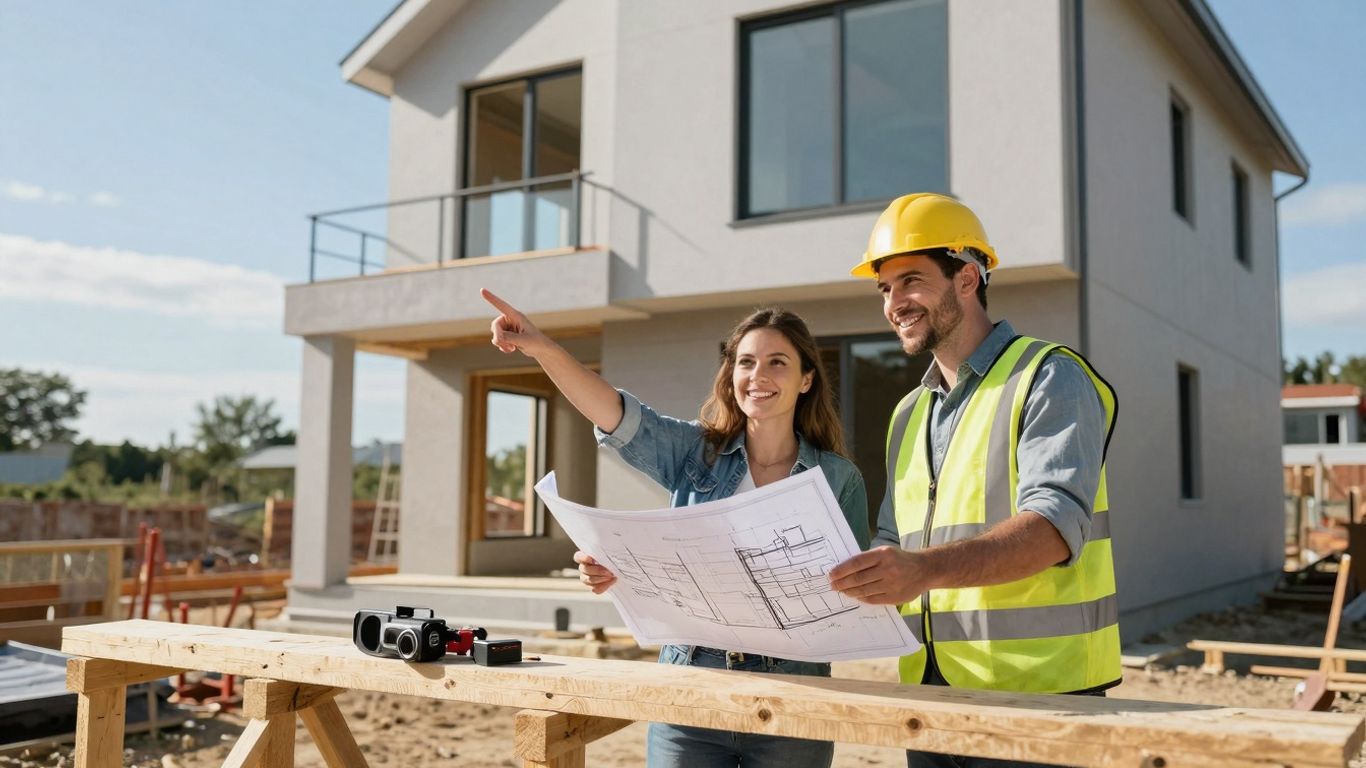
Once you've got a shortlist of builders, it's time to really dig into what they can do and if they're the right people for your project. This isn't just about picking someone who builds houses; it's about finding a partner who understands your vision and has the skills to bring it to life.
Review Experience with Similar Project Scales and Styles
Every builder has their specialties. Some are fantastic with sprawling modern estates, while others excel at cozy, traditional homes. You need to see if their past work lines up with what you're dreaming of. Look through their portfolios – do they have projects that match the size and style you're after? If you want a sleek, minimalist home and their portfolio is full of rustic farmhouses, they might not be the best fit, no matter how good they are at building.
It's also worth asking about the scale of projects they typically handle. If you're planning a modest custom build and they usually tackle multi-million dollar mansions, they might not be as interested or equipped for your project. Conversely, if you're building a large, complex home, a builder who usually does smaller renovations might struggle.
Assess Their Communication Style and Responsiveness
This is a big one. You'll be talking to this person (or team) a lot over the next several months, maybe even a year or more. How do they communicate? Do they get back to you promptly when you have questions? Are they clear and easy to understand, or do they use a lot of confusing jargon? A builder who communicates well from the start is likely to do so throughout the entire process.
Try sending them a few initial questions and see how quickly and thoroughly they respond. Do they seem genuinely interested in your project, or do they give you the feeling they're just going through the motions? Pay attention to how they explain things – are they patient, or do they seem annoyed by your questions?
Visit Past Projects and Current Construction Sites
Seeing is believing, right? If possible, ask to visit a home they've recently completed or one that's currently under construction. This gives you a real-world look at their craftsmanship, the quality of materials they use, and how organized their job sites are. A clean, well-managed site usually points to a well-managed project overall.
When you visit a site, don't just look at the big picture. Check the details. Are the finishes neat? Is the framing precise? How are they handling waste and site safety? These small things can tell you a lot about the builder's attention to detail and overall professionalism.
It's important to arrange these visits beforehand, though. Showing up unannounced at someone's home or a busy construction site isn't a good idea. A builder who is willing to arrange these visits shows they're proud of their work and confident in what you'll see.
Key Questions to Ask Your Chosen Custom Home Builder
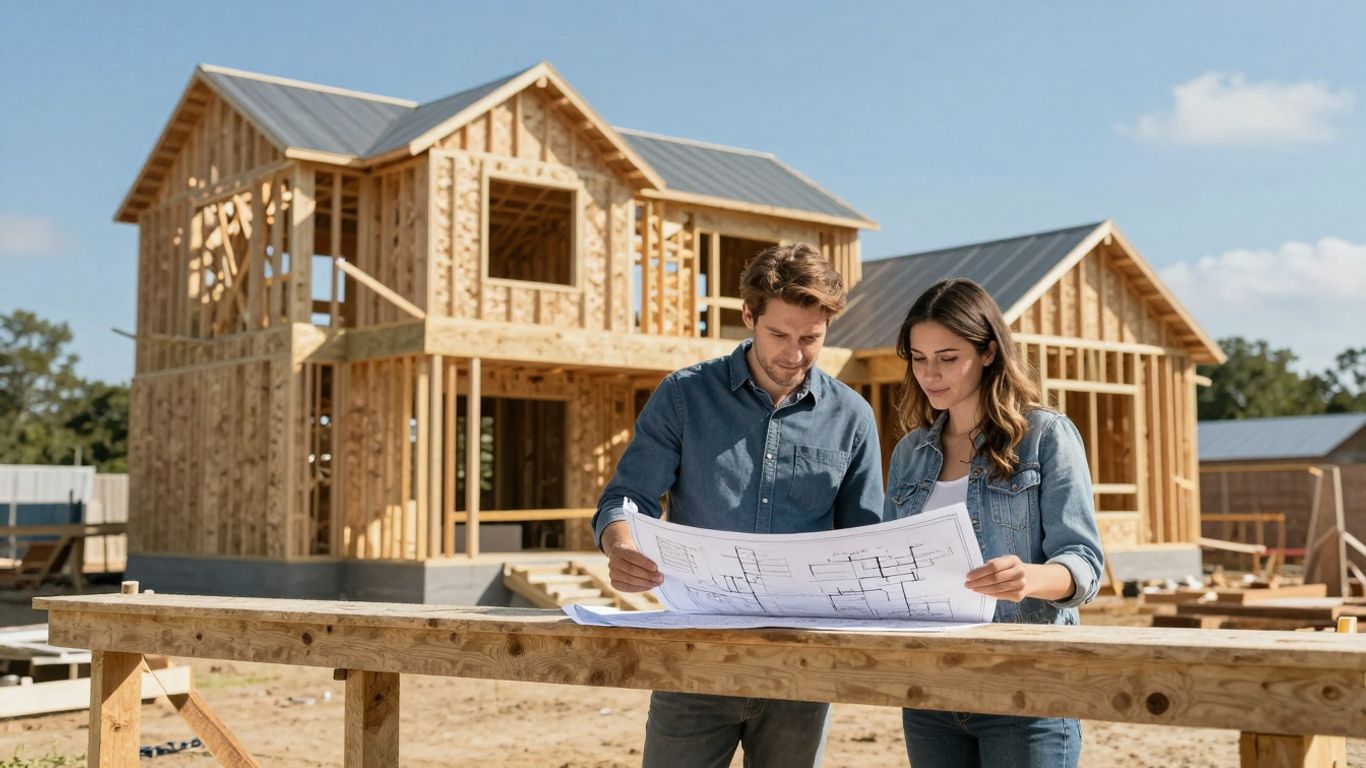
So, you've found a few builders that seem like a good fit. That's great! But before you sign anything, you've got to ask some tough questions. This is your dream home we're talking about, and you want to make sure the person building it is the right one for the job. Think of this as a final check, a way to really get a feel for how they operate and if you'll be able to work together smoothly.
What Is Your Experience with Custom Home Builds?
This might seem obvious, but it's worth digging into. You want to know if they've actually built homes like the one you're envisioning. Have they tackled projects of a similar size? What about the style? A builder who's great at modern farmhouses might not be the best choice for a sprawling contemporary estate, and vice versa. Ask them to show you examples, maybe even point you towards a project they're particularly proud of.
Have you built homes of this scale before?
What architectural styles are you most familiar with?
Can you share examples of past custom builds?
How Do You Handle Project Supervision and Subcontractors?
Who's actually going to be on-site managing the day-to-day work? And how do they work with the various trades – the plumbers, electricians, roofers, and so on? You want a builder who has a solid plan for overseeing everything and a good relationship with reliable subcontractors. A well-managed site means fewer mistakes and a smoother process.
A builder's ability to manage subcontractors effectively is a direct reflection of their organizational skills and commitment to quality. It impacts everything from the project timeline to the final finish.
Can You Provide Client References and Warranty Information?
Past clients are your best source of honest feedback. Ask for a few references and actually call them. Ask about their experience, any challenges they faced, and how the builder handled them. Also, get the details on their warranty. What does it cover, and for how long? This shows their confidence in their work and protects you down the line.
What Is Your Policy on Design Changes and Unexpected Challenges?
Let's be real, building a custom home rarely goes exactly according to plan. There will likely be changes, and unexpected issues will pop up. You need to know how your builder handles these situations. Are they flexible? Do they have a clear process for discussing and approving changes? How do they deal with surprises that might affect the budget or timeline? Understanding their approach to these inevitable bumps in the road is key to a less stressful build.
Prioritizing Communication and Transparency with Your Builder
Building a custom home is a big undertaking, and honestly, it can get pretty stressful if you're not on the same page with your builder. That's why keeping the lines of communication wide open and making sure everyone's being upfront about everything is super important. It's not just about getting the house built; it's about having a decent experience while it's happening.
Ensure Open Lines of Communication Throughout the Build
Think of your builder as your partner for the next several months, maybe even a year. You need to feel comfortable talking to them, asking questions, and even voicing concerns without feeling like you're being a bother. A good builder will welcome your input and make you feel like part of the process. If you find yourself hesitating to pick up the phone or send that email, that's a red flag. You want someone who makes you feel heard.
Understand How Progress Updates Will Be Provided
Nobody likes being left in the dark, especially when it comes to something as significant as your home. You should have a clear understanding from the start about how and when you'll receive updates. Will it be weekly phone calls? Bi-weekly site visits? Email summaries? A shared online portal?
Here's a quick look at common update methods:
Weekly Check-ins: A brief call or email to cover the week's progress and upcoming tasks.
Bi-Weekly Site Visits: Scheduled times to walk the site with your builder and see things firsthand.
Monthly Progress Reports: A more detailed written report outlining milestones, budget status, and any potential issues.
Project Management Software: Some builders use apps where you can track progress, view photos, and communicate.
Whatever method you agree on, make sure it works for you and that the builder sticks to it. Consistency is key to avoiding misunderstandings.
Gauge Their Receptiveness to Your Ideas and Concerns
During the selection process, pay attention to how a builder responds when you share your ideas or raise questions. Do they listen actively? Do they offer thoughtful suggestions or explanations? Or do they seem dismissive or impatient? A builder who is genuinely receptive will make the design and building phases much smoother. They should be willing to discuss your vision, even if it means a slight adjustment to the plan. It's also important they're upfront about potential challenges or changes that might come up, rather than just brushing them aside.
Building a custom home is a collaborative effort. Your builder should be someone you trust to guide you, but also someone who respects your role as the homeowner. If you feel like your opinions are being ignored or that the builder isn't being honest about the project's status, it's a sign that the working relationship might be problematic down the road.
Wrapping It Up
So, you've gone through all the steps to find the right person to build your dream home. It's a big deal, and honestly, it can feel a little overwhelming sometimes. But remember, taking the time to really vet your builder – checking out their past work, talking to people who've used them, and asking all those important questions – is totally worth it. You're not just hiring someone to build a house; you're bringing on a partner to help make your vision a reality. A good builder will make the whole process smoother, and you'll end up with a home you absolutely love. Good luck out there!
Frequently Asked Questions
Why should I figure out what I want before looking for a builder?
Thinking about what you want your home to feel like and what special things you need is super important. It's like having a map before you start a journey. Knowing this helps you find builders who are really good at making the kind of house you're dreaming of, saving you time and making sure they're a good fit.
How can I find good custom home builders?
A great way to start is by asking people you trust, like friends or family, if they know any good builders. You can also check with builder groups or look online at builders' past work. Seeing what they've built before and reading reviews can tell you a lot.
What should I ask about the builder's money stuff?
It's smart to ask how they figure out costs and what their prices include. Make sure they are open about all the fees and how payments work. This way, there won't be any confusing surprises about money later on.
How do I know if the builder is good at their job?
Look at homes they've built before, especially ones that are like the house you want. Ask to see a house they are currently building. This helps you see their quality of work and how they manage their building sites. Also, think about how well they talk to you.
What are some important questions to ask a builder?
You should ask about their experience building custom homes, how they manage projects and workers, what happens if things change, and if they offer a warranty. Getting references from people they've built for is also a smart move.
Why is talking with the builder so important?
Good talking means a smoother building process. You need to know your builder will listen to you and keep you updated on how things are going. When you can talk openly and feel heard, it makes the whole experience much better and helps make sure your home turns out just right.
Consultation Today!