.png)
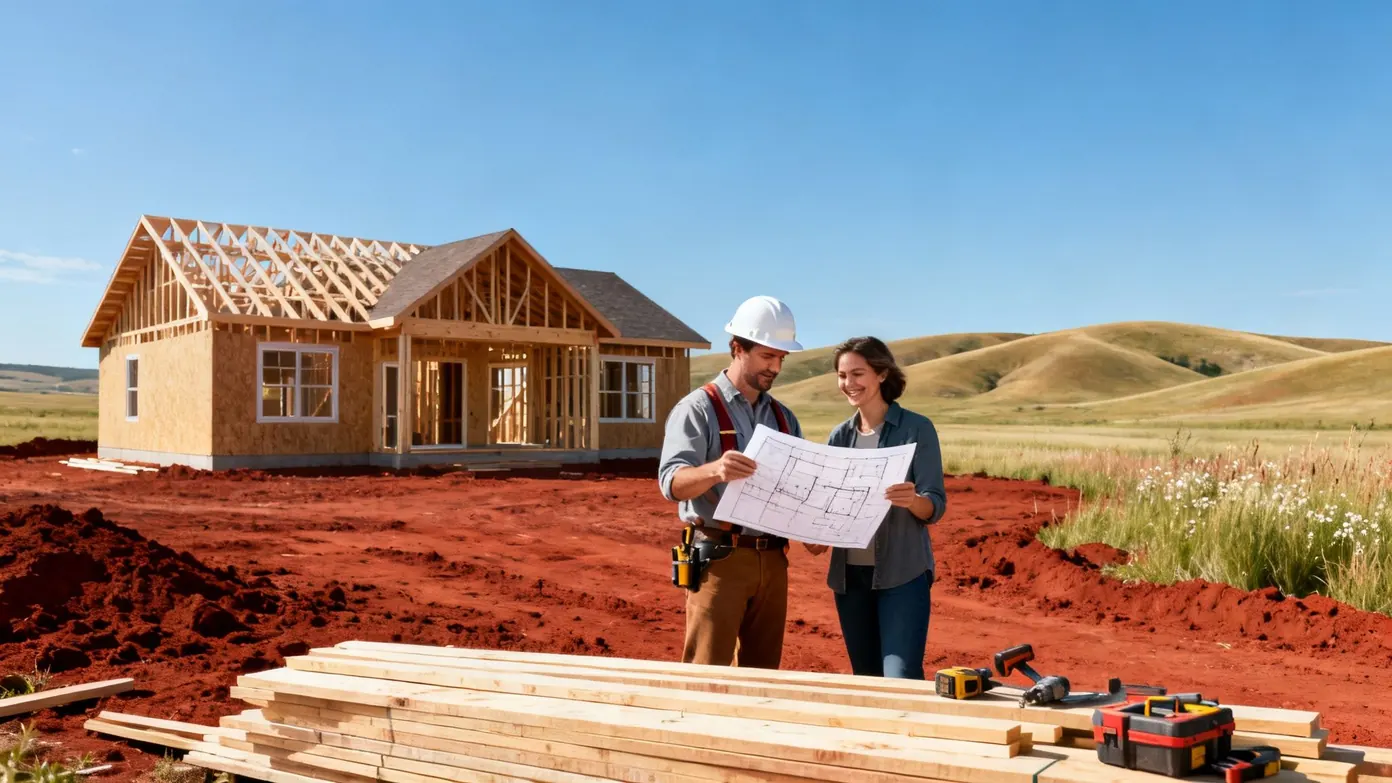
Dreaming of building a custom home in Oklahoma? You're not just planning a construction project; you're creating the backdrop for your family's future memories. The thought of a home designed perfectly for you, whether on a quiet plot in Shawnee or in a bustling Edmond neighborhood, is incredibly exciting. But let's be honest—it can also feel overwhelming. Where do you even begin?
This guide is your roadmap. We’ll cut through the confusion and give you actionable steps for finding and partnering with the best custom home builders Oklahoma has to offer. Drawing from over 15 years of hands-on experience, we'll cover everything from vetting builders and securing financing to navigating Oklahoma's unique building challenges, ensuring your dream doesn't turn into a nightmare.
Your Complete Guide to Building a Custom Home in Oklahoma
Creating a custom home is the ultimate process of turning a personal vision into a place your family will live and grow. It’s a huge investment—not just of money, but of your time and emotions. The path from an empty lot in rural Macomb to a finished home in Oklahoma City can feel complex, but with the right partner, it's a deeply rewarding journey.
This guide breaks down each phase into simple, manageable steps. We'll give you the confidence that comes from knowing what to expect, so you can turn your ideas into a home you’ll love for years to come.
What to Expect in This Guide
We're going to cover the entire custom home building journey from the ground up. Here’s a quick look at what we’ll get into:
- Laying the Groundwork: We’ll start with the essentials—land prep and budgeting. We'll specifically look at Oklahoma challenges, like our unique red clay soil and unpredictable weather, and how they impact your plans.
- Choosing Your Partner: I'll show you how to properly vet and choose the right builder. It's about finding a true partner you can trust with your vision, not just the cheapest bid.
- From Design to Approval: We’ll break down the design and permitting stages. You'll learn how to create a floor plan that works for your family while meeting local codes in cities from Norman to Guthrie.
- The Build and Beyond: Finally, we’ll walk through the construction phase, the final inspection, and what you should expect from your new home warranty once you have the keys.
This is all about creating a space that is one-hundred-percent you. Let’s get started.
Getting Your Land and Budget Ready for the Build
Before you start pinning countertop ideas, the real work begins. A strong start means tackling two critical tasks at once: preparing your land and getting your finances in order. Nail this part, and you’ll avoid countless headaches and surprise costs later.
The process looks wildly different depending on where you are in Oklahoma. Prepping a small lot in an established Edmond neighborhood with utilities already at the curb is a completely different ballgame than clearing five acres out in Macomb and starting from scratch.
Taking a Hard Look at Your Homesite
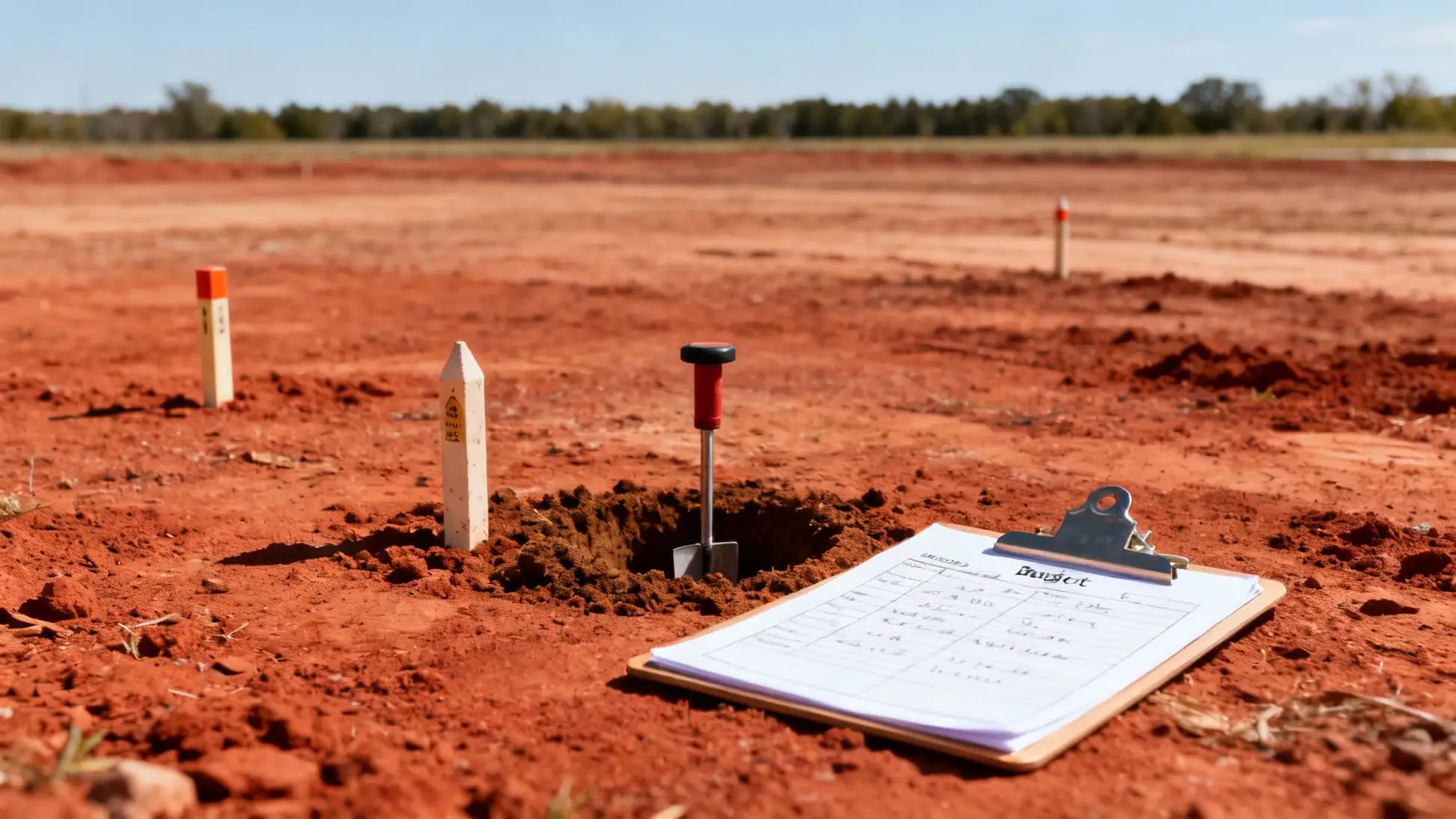
Every piece of Oklahoma dirt has a story to tell. A proper site evaluation is non-negotiable; it’s about far more than just the view. An experienced builder can walk a property and spot both hidden potential and costly pitfalls that will directly affect your foundation design and bottom line.
Here’s what a thorough site check really involves:
- Soil Testing: Oklahoma's iconic red clay is "expansive," which means it swells when wet and shrinks when dry. A geotechnical report is crucial. It tells us exactly what we're dealing with so we can engineer the right foundation—whether that’s a traditional slab or a more robust post-tension slab.
- Drainage and Grading: We all know how quickly a storm can dump inches of rain here. You must ensure water flows away from your foundation, not toward it. Proper grading prevents pooling that can cause serious structural damage down the road, especially on sloped lots.
- Utility Access: If you're building on a rural lot near Guthrie or Chickasha, don't assume you can just tap into public utilities. Get firm costs for bringing in water and electricity, or for drilling a well and installing a septic system. These items alone can add tens of thousands to your site prep budget.
Builder Insight: We once evaluated a beautiful, wooded lot for a client. The problem? The nearest utility hookup was a quarter-mile away, and the cost to extend the lines was nearly $50,000. Catching that before they bought the land saved them from a budget catastrophe.
Assembling a Realistic Custom Home Budget
Your budget is the most important tool you have. It guides every single decision. A classic mistake is focusing only on the "sticks and bricks" cost of the house itself, completely forgetting all the other expenses that pile up.
A truly comprehensive budget for an Oklahoma new construction project should be split into three main buckets.
Understanding these numbers is key. In Oklahoma, the cost-per-square-foot can swing dramatically based on where you build and your chosen finishes. While we’re generally more affordable than other states, 2025 estimates for a quality custom build run from $170 to over $280 per square foot.
A 2,500–3,500 sq ft custom home can easily land in the $425,000–$980,000 range. This is exactly why a detailed budget is your best friend.
Locking Down Your Financing
Once you have a solid budget, you can walk into a bank with confidence. A construction loan isn't like a regular mortgage. It's a short-term loan that covers the build, and the money is paid out to your builder in stages (called "draws") as work gets done.
When the house is finished, that loan typically converts into a permanent, long-term mortgage. To ensure a smooth process, have your financial paperwork in order and understand the draw schedule. I highly recommend reading our in-depth guide on navigating Oklahoma construction loans to get a feel for the process. An experienced builder can also work directly with your lender to make sure funds flow correctly and your project stays on schedule.
How To Find And Vet Your Ideal Home Builder
Let's be blunt: choosing your builder is the single most important decision you'll make. This isn't just about hiring a company to pour concrete and frame walls. You're searching for a partner you trust to navigate a complex, expensive, and deeply personal journey with you. Get this right, and the process is exciting. Get it wrong, and you're in for a world of headaches.
Finding the best custom home builders Oklahoma offers starts online, but it must move offline quickly. You need a game plan to look past the slick websites and staged photos. It's about verifying their work, talking to real clients, and ensuring they're the right fit for your vision.
Where To Start Your Search
First, build a shortlist of potential partners. A quick Google search is fine for casting a wide net, but you need to narrow it down to builders active in your specific area, whether that’s a suburb of OKC or a rural plot out near Macomb.
- Ask People You Trust: The best leads often come from friends, family, or coworkers who've built before. A first-hand recommendation is gold.
- Tap Into the Industry: Local architects and real estate agents who specialize in new construction are fantastic resources. They know who does good work and who is difficult to work with.
- Go for a Drive: Spend a weekend driving through newer neighborhoods in places like Edmond or Deer Creek. Look for builder signs on active projects. This gives you an unfiltered look at their work-in-progress.
- Check Professional Groups: The Central Oklahoma Home Builders Association (COHBA) is a good place to start. Membership shows a commitment to their craft and the local industry.
Once you have a solid list of 3 to 5 promising builders, it’s time to start the real vetting process.
Verifying Credentials And Reputation
Before you get attached to a builder's gorgeous portfolio, do your homework. This protects you from fly-by-night operations.
Start by confirming they have proper licenses and insurance. You're looking for two key things: general liability insurance (for property damage) and workers' compensation. Ask for their insurance certificates and call the provider to verify the policies are active.
Next, dig into their reputation. Read online reviews with a healthy dose of skepticism. A few negative reviews over a long career aren't a red flag. What matters is how the builder responded. A professional response tells you everything about their character.
For a deeper dive, check out our guide on what to look for in an Oklahoma custom home builder.
Builder Insight: A clean job site is a sign of a well-managed project. When you visit a builder's active construction site, look for organized materials and an overall sense of order. A chaotic site often points to a chaotic process.
Analyzing Portfolios And Checking References
A builder's portfolio is their highlight reel. As you browse, look for homes that resonate with your personal style. But look closer than the wide-angle shots. Zoom in on the details: the miters on the trim, the grout lines in the tile, the alignment of cabinet doors. That's where true craftsmanship shows.
Ask the builder if you can walk through a recently completed or in-progress home. Hearing them talk about the project gives you a real sense of their passion and expertise.
Finally, the most important step: checking references. A reputable builder will gladly connect you with past clients. When you call them, don't just ask, "Were you happy?" Ask specific questions.
Key Questions to Ask References:
- Did the project stay on budget? If not, why?
- How did the builder handle surprises or changes you requested?
- Was their communication clear and consistent?
- Were you happy with the subcontractors they used?
- Knowing what you know now, would you hire them again?
This is where you'll get the unvarnished truth about what it's really like to work with their team.
Comparing Bids And Communication Styles
After meeting with your top contenders, you'll start receiving bids. A word of caution: the cheapest bid is almost never the best deal. A shockingly low number can be a red flag, often hiding low-quality materials or an incomplete scope that leads to expensive change orders later.
Use a simple checklist to compare your options apples-to-apples.
Builder Vetting Checklist
Use this table to systematically score potential custom home builders.
This chart helps you make a data-driven decision beyond just a gut feeling.
Throughout this process, pay close attention to their communication style. Do they listen? Do they return calls promptly? Building a home is a marathon. A foundation of clear, respectful communication is the only way it will succeed.
Bringing Your Vision to Life: Design & Permitting
Alright, you’ve picked your builder. Now comes the fun part: turning all those ideas into actual blueprints. This is where your dream home starts to feel real. It's an exciting time, but it's also a critical stage where a true collaboration between you, your designer, and your builder really pays off.
An experienced builder won't just take orders; they'll act as your practical guide, ensuring your creative vision can be built on time and on budget.
From Lifestyle to Layout: The Heart of the Design
Your floor plan should be a direct reflection of how your family lives. We always start by diving deep into your daily routines, what you can't stand about your current house, and your hopes for the future.
We'll help you think through the little details that make a huge difference:
- The Flow of Daily Life: How does your family move through the house on a chaotic school morning? The goal is to create pathways that feel intuitive, not cramped.
- Smart Room Placement: Does it make sense to have the laundry room a mile away from the bedrooms? We look at how rooms relate to each other to make daily tasks easier.
- Planning for the Future: Are you thinking about your parents moving in someday? Designing wider doorways now can save you a world of hassle and expense down the road.
Client Story: We had a client in Edmond who wanted a massive, open-concept living area. But they also craved a quiet spot to read. Instead of making them choose, we designed a small library nook just off the main living space, tucked behind beautiful pocket doors. It gave them the best of both worlds without sacrificing their original vision.
Designing a True Oklahoma Home
Building in Oklahoma comes with its own set of rules, dictated by our weather. A home designed for California just won't cut it here. A good local builder knows this instinctively and will bake these considerations right into your plans.
There are a few non-negotiables for any Oklahoma home design:
- Storm Safety: A storm shelter isn't just a concrete box in the garage anymore. We can integrate a fully-reinforced safe room seamlessly into a master closet or pantry.
- Wind-Ready Construction: From how the roof is attached to the rating on the windows, your home must be engineered to handle high winds. This involves specific framing techniques a seasoned local builder knows are essential.
- Fighting the Summer Heat: Smart design means thinking about energy efficiency from day one—placing windows to avoid the brutal afternoon sun, using high-performance insulation, and ensuring the HVAC system is perfectly sized for your home.
Untangling the Red Tape: The Permitting Process
Once the blueprints are finalized, they head to the local authorities for approval. This is where an inexperienced builder can bring your project to a screeching halt. The permitting process in Oklahoma City is a completely different animal than it is in a smaller town like Shawnee.
Here is the step-by-step breakdown of the process:
- Submit the Plans: Your builder hands over the complete set of architectural and engineering plans to the local building department.
- The Review: City officials comb through the plans to ensure everything meets code and local zoning laws.
- Make Revisions: It's common for the city to request changes. A builder who knows the local codes can anticipate these requests and keep things moving.
- Permit in Hand: Once approved, the official building permit is issued. Only then can construction legally begin.
Getting through this bureaucratic maze smoothly comes down to local knowledge. Knowing who to call at the planning department in Moore or understanding the septic system rules in rural Logan County is the kind of expertise that keeps your project on schedule. This is especially true now, as single-family starts in Oklahoma are projected to increase by 2.8% in 2025. You can learn more about what's driving the 2025 Oklahoma construction market here.
Staying on Track: The Construction Phase and Final Walkthrough
This is where the magic happens. After all the planning and designing, you finally get to see your vision rise from your Oklahoma lot. Watching the foundation being poured and the walls going up is one of the most exciting parts of the entire journey.
A great builder knows that clear, consistent communication is what keeps a project running smoothly. They'll have a project manager who acts as your go-to person, giving you updates on key milestones and navigating those inevitable Oklahoma weather delays.
Key Milestones on the Path to Your New Home
While no two custom builds are exactly alike, the construction process generally follows a familiar sequence. Understanding these key stages helps you know what's happening on-site.
- Site Work & Foundation: First, the lot is cleared and graded before utility lines are trenched. Then comes the foundation pour—a make-or-break step here in Oklahoma, where we have to account for our infamous expansive clay soil.
- Framing & Rough-Ins: The skeleton of your home shoots up! This is when you can finally walk through the rooms and get a real feel for the space. Right after, the "rough-in" phase begins, where plumbers, electricians, and HVAC pros run all the hidden guts of your home.
- Exterior & Interior Finishes: Once the house is "dried-in" with the roof, windows, and siding, the focus shifts inside. Drywall goes up, followed by paint, flooring, cabinets, and all that beautiful tile work.
- Final Systems & Fixtures: The last leg of the race! Crews install light fixtures, faucets, countertops, and appliances. Outside, the team finishes the grading, landscaping, and driveway.
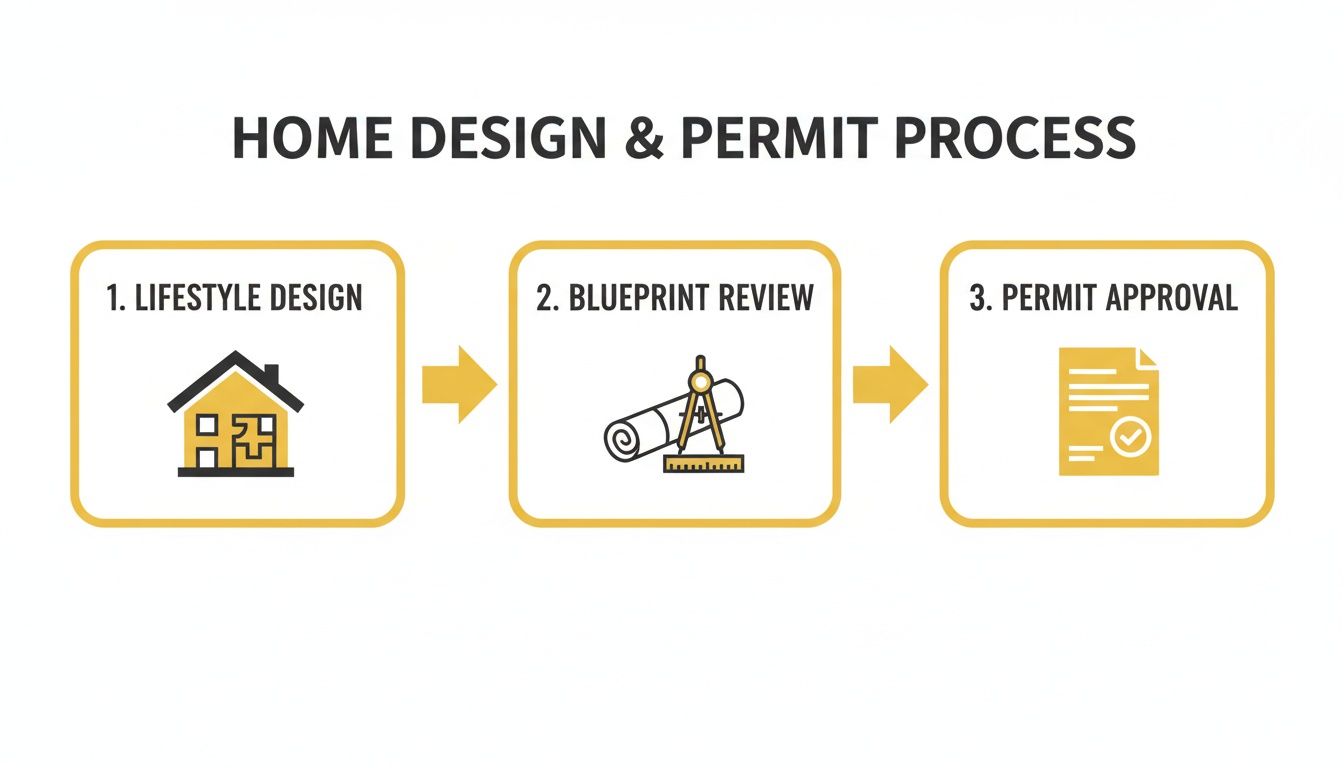
As you can see, a solid build starts with understanding how you live, long before the first shovel hits the dirt.
Getting Ready for the Final Walkthrough
The final walkthrough is your chance to put a critical eye on every detail before you officially take the keys. It's an exciting moment, but it requires your full attention.
Come prepared to inspect. Open every door, turn on every faucet, and look closely at the craftsmanship. For a deep dive into what each phase entails, check out our guide on the timeline for building a home in Oklahoma.
A Pro Tip: Bring a roll of blue painter's tape to the final walkthrough. It’s a simple, non-damaging way to flag anything that needs a second look—a paint scuff or a drawer that sticks. It creates a clear visual "punch list" for the crew to complete.
Use this quick checklist to feel confident during your inspection.
Remember, this is a collaborative final step to ensure the home meets the high standards you and your builder agreed upon.
Beyond the Build: Warranty, Maintenance, and Your Home's Future Value
Getting the keys to your new custom home isn't the finish line—it's the beginning of a new chapter. A truly great Oklahoma home builder knows this. Their commitment continues through a solid new home warranty, their promise that they stand behind their work.
This warranty is your safety net, a formal agreement that protects your investment. It should clearly lay out what's covered and for how long.
What a Good Warranty Looks Like
A comprehensive warranty is usually layered, offering different levels of protection over time.
Here’s a typical breakdown you should look for:
- One-Year Workmanship and Materials: This covers issues with the visible parts of your home—think drywall cracks, paint touch-ups, or finicky cabinet doors.
- Two-Year Systems Coverage: This layer protects the guts of your home, like the plumbing, electrical, and HVAC systems.
- Ten-Year Structural Integrity: This is the big one. It's long-term protection against major structural failures in things like your foundation or the framing that holds your house together. This is a non-negotiable part of any quality warranty.
Securing Your Investment for the Long Run
A custom home is more than just a place to live; it's one of the biggest financial assets you'll own. Its future value depends directly on the quality of its construction and how well it's maintained.
Custom home building is on the rise. In fact, there were 184,000 custom home starts across the U.S. in the last year alone. This data from the National Association of Home Builders shows a clear demand for high-quality, personalized homes. It also suggests that the custom market is more resilient and connected to long-term household wealth.
A custom home's real value isn't just in its size. It’s in the quality of the craftsmanship, the smart design, and the efficiency of its systems. That's what builds lasting equity.
At the end of the day, a quality custom home is built to last for generations. When you partner with an experienced builder who offers a strong warranty and gives you clear guidance on maintenance, you're creating a home that will serve your family beautifully and grow as a valuable asset for decades to come.
Answering Your Top Questions About Building a Custom Home in Oklahoma
Embarking on a custom home journey brings up a lot of questions. Getting straight answers is the best way to feel confident as you make these huge decisions. Here are a few of the most common questions we hear.
How Long Does It Really Take to Build a Custom Home in Oklahoma?
A good rule of thumb for a custom home build in Oklahoma is 9 to 18 months. It’s a wide range because so many things can influence the schedule. The complexity of your design is the biggest variable. We also have to factor in the permitting process, which varies by city, and of course, Oklahoma weather. A good builder will give you a transparent schedule upfront and keep you in the loop constantly if things need to shift.
What’s the Average Cost Per Square Foot to Build Here?
Generally, you can expect the cost to fall somewhere between $170 and $280+ per square foot. The final number really comes down to three things: your location, the complexity of the build, and the level of finishes you choose. This is why having an honest, detailed discussion about your budget with your builder before you start is crucial.
Can I Bring My Own Architect or Floor Plan to the Table?
Yes, absolutely. Any truly custom home builder in Oklahoma should be happy to collaborate. If you've already invested in plans with an architect, we welcome that. Our role then becomes ensuring those plans are buildable within your budget and meet all local building codes. If you have a plan but no architect, a great builder will have a network of trusted design professionals they can connect you with.
What Are the Real Advantages of a Custom Home Over a Spec Home?
It really boils down to three key benefits: total personalization, quality control, and location freedom. When you build custom, you’re in the driver’s seat for every single decision. You also have a front-row seat to the construction process, ensuring the quality meets your standards. But maybe the biggest advantage is freedom. You get to choose your ideal piece of land—whether it's a perfect lot in a Moore neighborhood or a sprawling piece of acreage out near Shawnee.
Ready to design your custom home? Schedule a free consultation with ACET Custom Homes today.
Consultation Today!