.png)
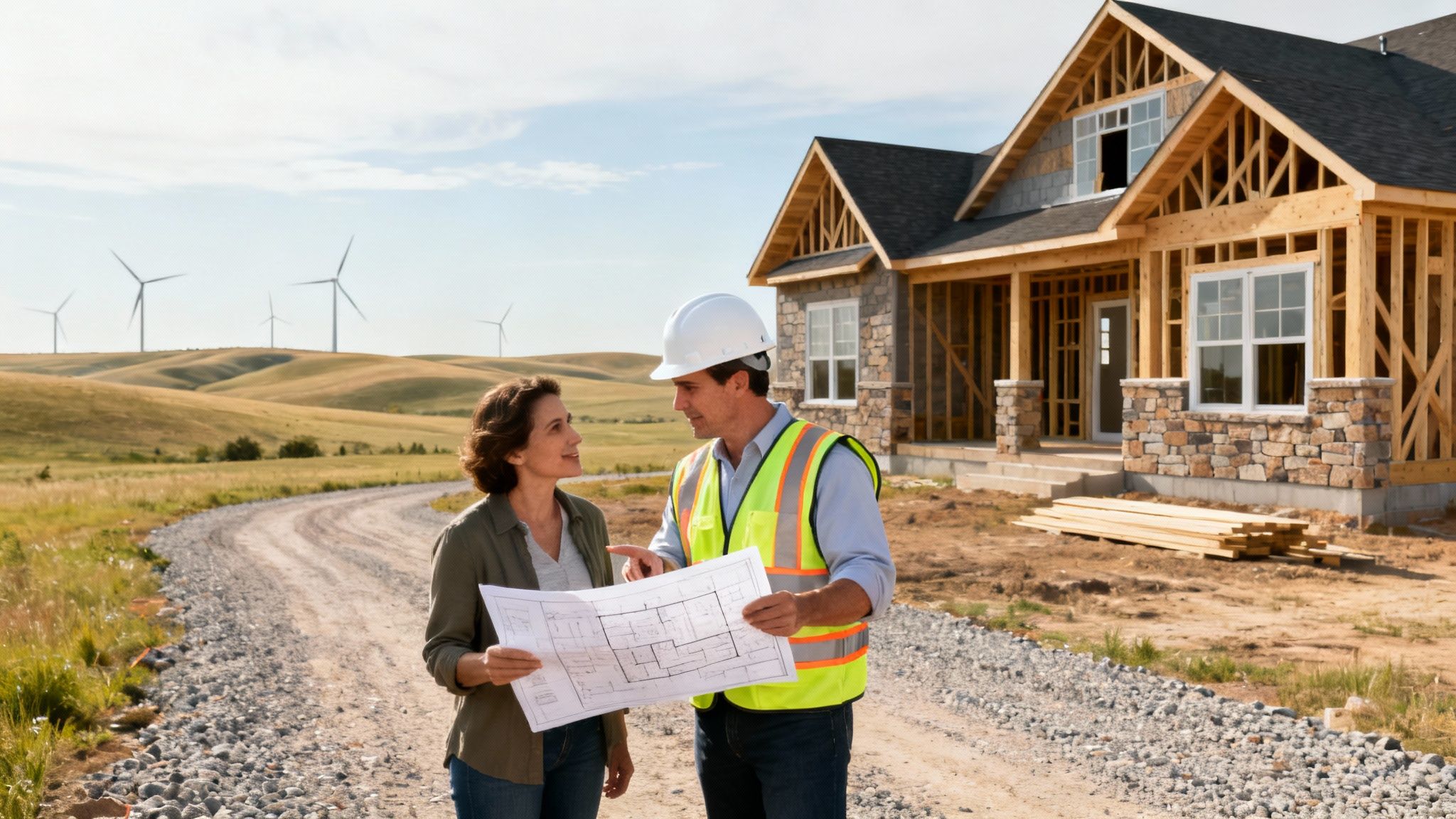
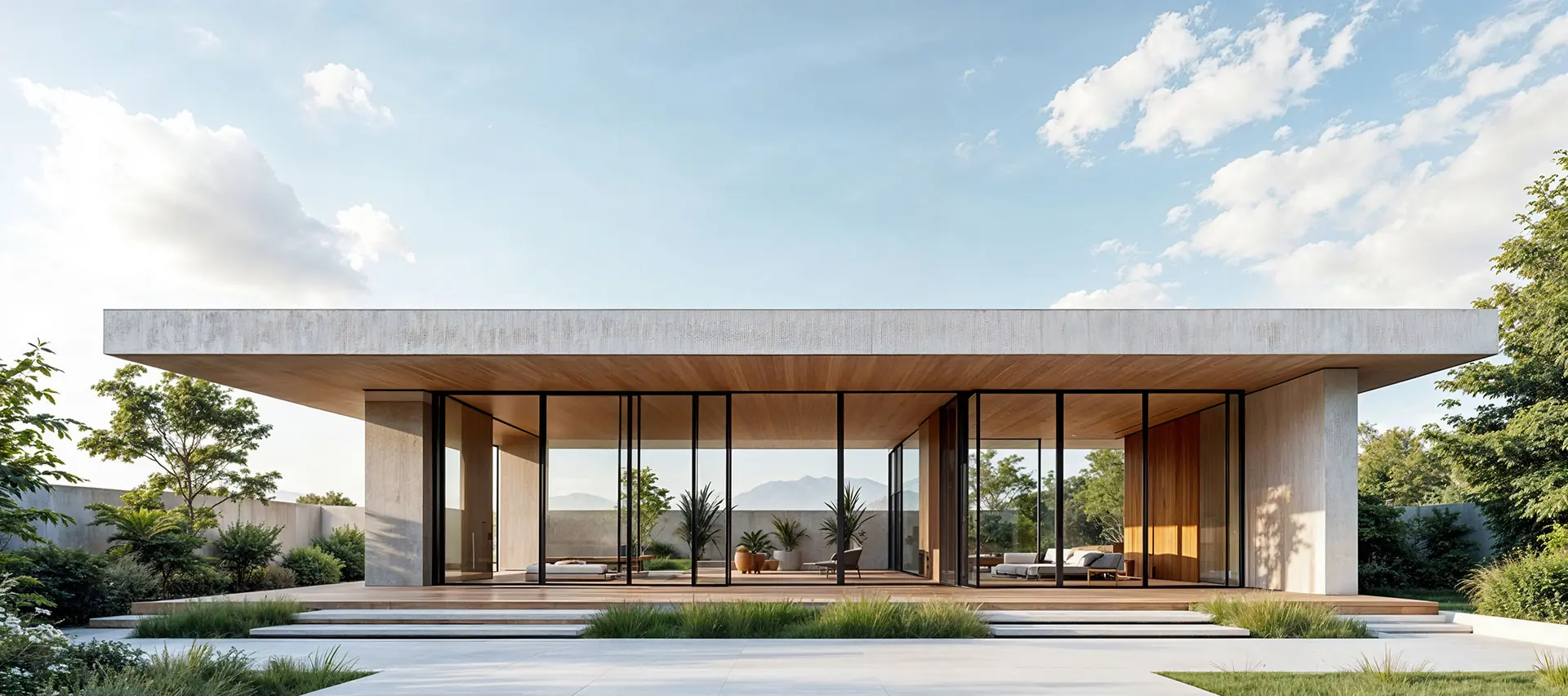
Are you dreaming of building a home that’s uniquely yours? That moment you type "custom home builder near me" into the search bar is the first, exhilarating step. But it’s a search for more than just a contractor; it’s about finding a true partner to bring your vision to life. You need someone with the local Oklahoma expertise to navigate everything from Edmond’s zoning laws to the unique soil conditions on a plot of land in Macomb, ensuring your dream is built to last.
Step 1: Building Your Shortlist of Potential Builders
Before any dirt is moved, the most critical work begins: finding the right people for the job. Your initial search is about creating a focused list of top-tier Oklahoma home builders known for quality and transparency. A quick Google search is a great start, but the real insights come from combining digital research with real-world observation.
This isn’t just about collecting names. It’s about discovering builders whose work resonates with your style. For instance, exploring the detailed portfolios and client stories of a builder like ACET Custom Homes, with over 15 years of experience in Oklahoma, provides a tangible feel for their craftsmanship and dedication.
How to Find Reputable Local Builders
To build a reliable list, you need a multi-faceted approach. Don't rely on just one source. This method will give you a clear picture of the best builders in your area, whether you're in the OKC metro or a rural town like Shawnee or Chickasha.
Actionable Steps for Your Search:
- Drive Through Neighborhoods You Admire: See a home under construction that you love? Note the builder's sign. This is the most direct way to identify builders whose aesthetic matches yours.
- Consult Local Real Estate Professionals: Architects, realtors, and lenders have firsthand experience working with builders. They can provide trusted recommendations based on professionalism and quality.
- Analyze Online Portfolios: A builder's website is their digital showcase. Look for high-quality photos, virtual tours, and a diverse range of projects. A detailed portfolio signals pride and experience.
- Check Professional Associations: Organizations like the National Association of Home Builders (NAHB) list members who adhere to strict professional and ethical standards.
The demand for custom homes remains strong, with the U.S. home building industry recently reaching $166.9 billion in revenue. This market health means you have options, making thorough research crucial. You can learn more about the home building industry's growth and its implications for your project.
Focusing on builders who specialize in Oklahoma City custom homes gives you a distinct advantage. They already understand our state's specific soil conditions, permitting processes, and building codes, setting your project up for success from day one.
Step 2: How to Properly Vet Your Shortlisted Builders
With a few promising names, it's time to dig deeper. This vetting process is where you separate skilled marketers from genuinely exceptional builders. It’s about confirming consistent quality, transparent communication, and a building process you can trust.
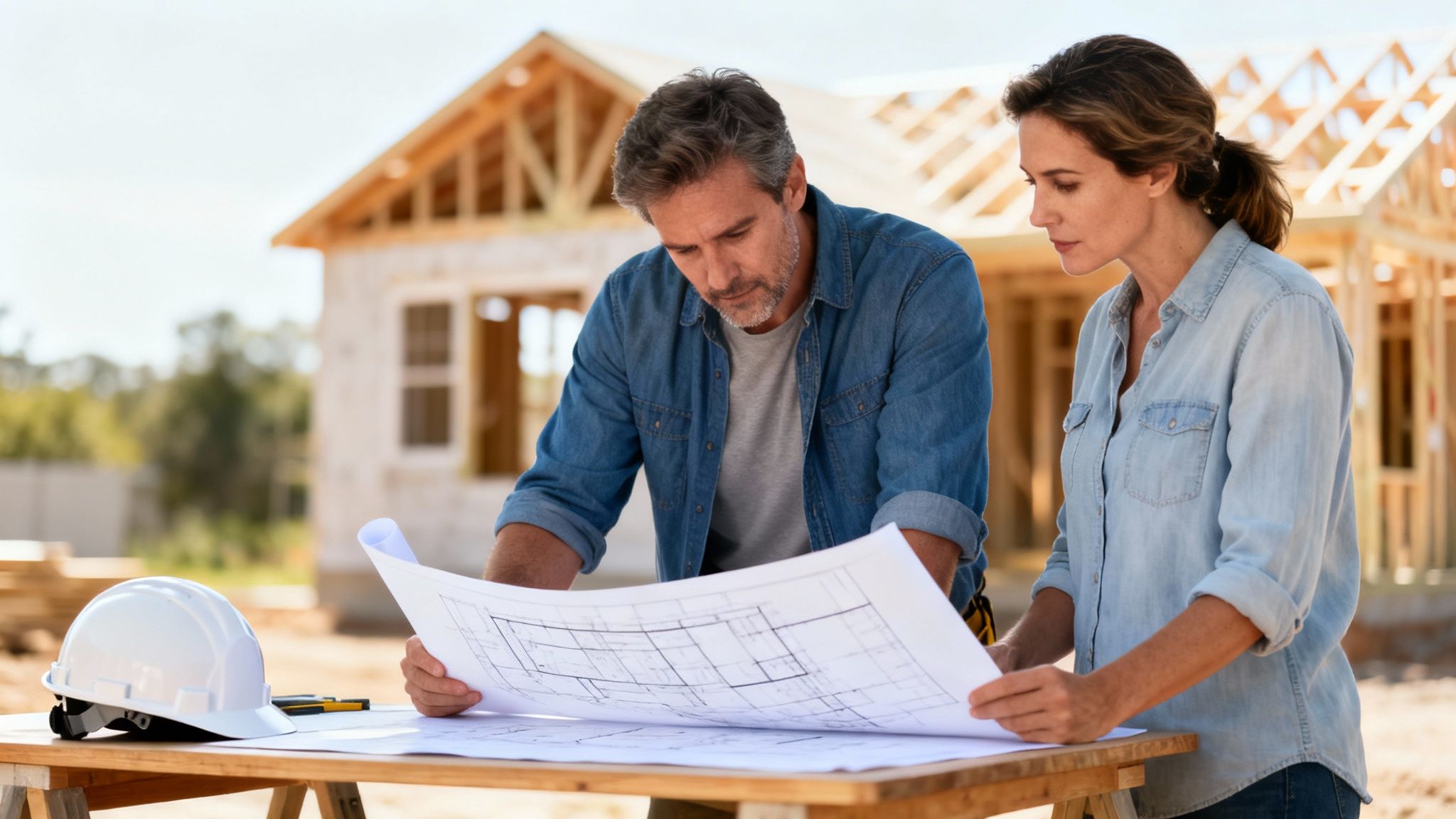
A portfolio should tell a story of consistent craftsmanship. Look for a common thread of quality in the details—clean trim work, precise tile, and thoughtful material choices. This is how you find a custom home builder near me whose standards align with your own, a principle we at ACET Custom Homes have built our reputation on.
Analyzing a Builder’s Past Work: A Checklist
Before making contact, become a student of their work. A thorough review of their portfolio and, if possible, a drive-by of completed homes can reveal their true commitment to quality.
What to Look For:
- Consistency Across Projects: Do all their homes exhibit a high standard, or are there just a few showcase projects? Look for consistent excellence, regardless of budget.
- Attention to Detail: Zoom in on photos. Examine trim, tile alignment, and joinery. These small details are the clearest indicators of true craftsmanship.
- Versatility in Style and Location: A builder who has successfully completed a modern farmhouse in Deer Creek and a traditional estate in Elmore City demonstrates adaptability and a broad skill set.
Builder Insight: A great portfolio does more than just impress; it should inform. It should showcase not just the beautiful final product but also the creative problem-solving and client collaboration that made it possible.
Asking Past Clients the Right Questions
Speaking with a builder's references is your most powerful tool. However, generic questions won't give you the full picture. You need to ask targeted questions that reveal how a builder performs under real-world conditions.
This isn’t about asking if they were "happy." It's about understanding the builder's communication, problem-solving, and financial transparency.
Step 3: Navigating Oklahoma-Specific Building Challenges
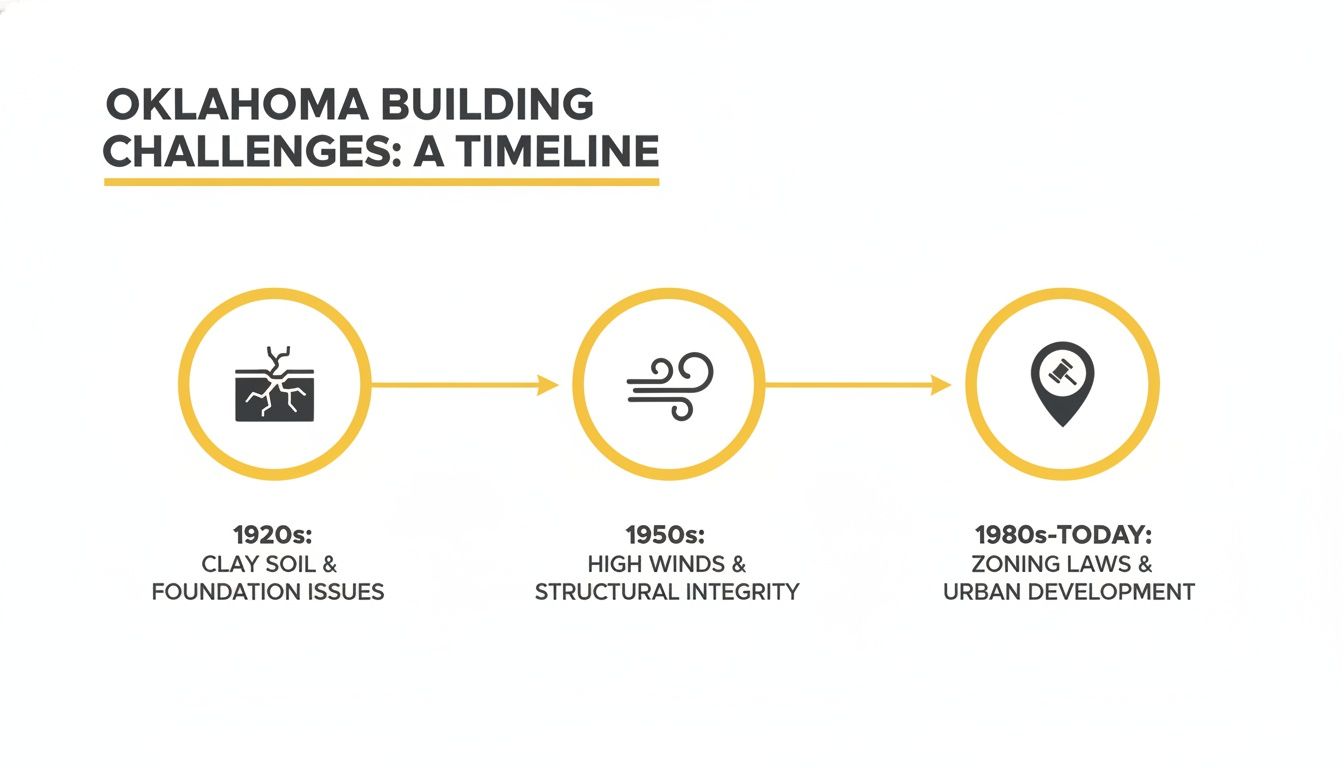
Building a home in Oklahoma is unique. Our state presents a distinct set of challenges, from our expansive clay soil to our dramatic weather. An out-of-state builder may not understand these nuances, which is why local expertise is non-negotiable for a home built to last.
An experienced Oklahoma builder understands that our red clay soil expands and contracts with moisture changes, which can wreak havoc on a poorly designed foundation. It's a challenge we at ACET Custom Homes have spent over 15 years mastering on job sites across the state, from Moore to Guthrie.
Designing for Oklahoma's Extreme Weather
Our climate demands a home built for resilience. It must be a sanctuary against scorching heat, severe winds, and ice storms. A builder with deep Oklahoma roots designs for this reality from the start.
Essential Features for an Oklahoma Home:
- High-Wind Engineering: This involves more than sturdy construction. It requires reinforced framing, impact-resistant windows, and specialized roof anchoring—critical in open, rural areas.
- Superior Insulation and Air Sealing: To manage our temperature swings, a tightly sealed thermal envelope is essential. This keeps your home comfortable year-round and your energy bills in check, a major benefit for homeowners in communities like Edmond and Deer Creek.
- Durable Exterior Materials: Choose materials that can withstand hail and intense sun. Brick, stone, and high-quality siding are not just for aesthetics; they are a long-term investment against the elements.
Understanding Local Building Codes and Permitting
Every city, from Oklahoma City to smaller towns like Elmore City, has its own zoning laws and building codes. A seasoned local builder has established relationships with municipal inspectors and knows the permitting process intimately. This insider knowledge prevents frustrating delays and ensures your project is code-compliant from day one.
The market reflects a growing demand for this expertise. Recently, the U.S. saw 54,000 custom home starts in a single quarter, a 4% increase year-over-year, despite market fluctuations. This trend shows that homebuyers are prioritizing quality and customization. You can read the full analysis on custom home building trends from NAHB.
Ultimately, searching for a “custom home builder near me” with proven local experience is about risk management. It’s about finding a partner who builds an Oklahoma home—one that is safe, efficient, and designed for generations.
Step 4: Understanding the Contract and Construction Timeline
Once you’ve selected your builder, the contract and project timeline transform your vision into an actionable plan. These documents are the blueprint for your project, designed to protect all parties and ensure a smooth process without surprises.
A transparent, detailed agreement is the foundation of a successful build. It aligns you and your builder on every detail, from groundbreaking to final walkthrough.
Key Elements to Look For in Your Building Contract
A strong contract leaves no room for ambiguity. It should be a comprehensive guide covering every aspect of the build.
Must-Have Contract Inclusions:
- Detailed Payment Schedule: This breaks down payments into stages tied to specific construction milestones (e.g., foundation complete, framing complete, drywall installed).
- Specific Material Allowances: The contract sets budgets for items like countertops, lighting, and flooring. If you choose an item over budget, the difference is handled transparently through a change order.
- Clear Warranty Information: A reputable builder stands by their work. Look for a one-year warranty on workmanship and a ten-year structural warranty for long-term peace of mind.
- Contingency Clause: This outlines how unforeseen costs or changes will be handled, ensuring financial transparency.
Mapping Out a Realistic Construction Timeline
"When will my home be finished?" is a critical question. While every custom project is different, the construction process follows a predictable sequence. A realistic timeline from an experienced builder is a transparent guide, not a rigid promise.
Builder Insight: We provide a timeline to help you understand the journey. It allows you to anticipate decisions, track progress, and feel like an active partner in bringing your home to life.
Here is a step-by-step breakdown of the major phases of construction.
Custom Home Construction Phases (Simplified)
- Pre-Construction (4–8 Weeks): This phase includes finalizing architectural plans, securing permits, site preparation, and connecting utilities.
- Foundation (2–4 Weeks): We excavate the site, form the footings, and pour the concrete slab or foundation walls.
- Framing & Roofing (4–8 Weeks): The home's "skeleton" is built, including walls, floor systems, and the roof structure. Windows and exterior doors are installed.
- Rough-Ins (3–6 Weeks): This is when we install the systems behind the walls: plumbing, electrical wiring, HVAC ductwork, and insulation.
- Interior Finishes (6–10 Weeks): Drywall is hung and finished, followed by painting, flooring, cabinetry, countertops, and fixture installation.
- Exterior Finishes (4–8 Weeks): Siding, brick, or stone is applied. Driveways, walkways, and initial landscaping are completed.
- Final Walkthrough (1–2 Weeks): We conduct final inspections, address any remaining items on a "punch list," and provide you with a homeowner orientation.
Frequently Asked Questions (FAQ)
What is the average cost to build a custom home in Oklahoma?
The cost varies widely based on location, size, and finishes, but you can generally expect prices to range from $175 to $250+ per square foot. A detailed budget from your builder is the only way to get an accurate estimate for your specific project.
How do I finance the construction of a new home?
You will typically need an Oklahoma construction loan. This is a short-term loan that covers building costs and is paid out to the builder in draws. Once construction is complete, it is usually converted into a traditional mortgage.
What is the difference between a custom home and a production home?
A production builder offers a limited selection of pre-designed floor plans and finishes. A true custom home builder, like ACET Custom Homes, starts with a blank slate, designing a one-of-a-kind home tailored to your vision, lifestyle, and land.
How involved will I be in the building process?
You can be as involved as you wish. A good builder operates as your partner, scheduling regular on-site meetings and seeking your input at critical stages. Your decisions on finishes, fixtures, and layouts are essential to creating a home that is uniquely yours.
Ready to design your custom home? Schedule a free consultation with ACET Custom Homes today.
Consultation Today!