.png)
Thinking about building a home in Oklahoma City on land you already own? It's a big project, but totally doable. You get to pick the spot and build exactly what you want. We'll walk through what you need to know to get started with your build on your lot OKC dream.
Key Takeaways
When you build on your lot OKC, you get to design your home precisely to your liking and choose where it sits.
Finding the right land means checking property lines, thinking about how much space you need, and looking into local rules.
Budgeting is tricky; expect costs to be higher than you first think, and don't forget things like land prep and utility hookups.
Picking the right builder is important. Look for someone with experience who is open about costs and has good floor plan options.
Getting permits and hooking up utilities can take time, so it's good to have a builder who knows the local Oklahoma City area and its rules.
Building Your Dream Home On Your OKC Lot
So, you've got a piece of land in the Oklahoma City area and you're dreaming about building your perfect house right there. That's awesome! It's a big step, but totally doable.
Understanding The Build On Your Lot OKC Process
Building on your own land means you're in the driver's seat from the start. It's not like buying a pre-built house where you pick from what's available. Here, you get to choose the location, the style, and all the little details. This is your chance to create a home that truly fits your life. It involves a few more steps than just buying a house, but the end result is a place that's exactly what you want.
Why Choose To Build On Your Own Land
There are some pretty good reasons why folks in OKC decide to build on their own turf. For starters, you get to pick the exact spot. Maybe you found a quiet acreage outside the city, or perhaps you have a specific neighborhood in mind. You also get to design everything. Think about the layout, the number of rooms, the kitchen you've always wanted – it's all up to you. Plus, a brand new home usually means less immediate maintenance, which is always a plus.
Here are a few things to think about:
Total Customization: Get the floor plan, finishes, and features you desire.
Location, Location, Location: Build on land you already own or have hand-picked.
Modern Efficiency: New homes often come with better energy efficiency and updated systems.
Building on your own land gives you a unique opportunity to craft a home that perfectly matches your needs and style, rather than compromising on an existing property. It's about creating a space that feels uniquely yours from the ground up.
Partnering With The Right OKC Builder
Finding the right builder is super important. You want someone who knows the OKC area, understands local building codes, and has a good track record. They'll be your guide through the whole thing, from planning to the final walkthrough. A good builder will help you stay on budget and make sure the process goes as smoothly as possible. They can also help you figure out things you might not have even thought of, like how to prep the land or connect utilities.
Finding And Preparing Your OKC Land
So, you've got a piece of land in the Oklahoma City area and you're ready to build your dream home on it. That's awesome! But before you start picking out paint colors, there are a few important things to sort out regarding your land. It’s not just about having a spot; it’s about making sure that spot is actually ready and suitable for building.
Evaluating Potential Building Sites
When you look at your land, try to see it not just as a big empty space, but as a future home site. Think about where the house will sit. Does the land slope? If so, how much? A steep slope might mean more work and cost for foundation and drainage. Also, consider the sun's path throughout the day – you might want your living areas to get good morning light, for example. And don't forget about the views! What do you want to see when you look out your windows?
Topography: Is it flat, sloped, or hilly? This affects foundation costs and drainage.
Soil Conditions: While you might not be a geologist, some basic awareness helps. Is it rocky? Sandy? This can impact excavation.
Tree Cover: Lots of mature trees can be beautiful, but clearing them adds to the cost. Plus, you'll want to keep some for shade.
Orientation: How will the house face the sun? This impacts natural light and energy efficiency.
It's a really good idea to have a builder or a site expert walk the property with you early on. They can spot potential issues you might miss, like drainage problems or difficult soil, that could add a lot to your budget later.
Essential Land Preparation Steps
Once you've picked the perfect spot on your lot, it's time to get it ready. This is where things can get a bit more involved than just mowing the lawn. You're essentially creating a clean slate for your builder.
Clearing and Grading: This involves removing trees, rocks, and debris from the building area. Then, the land needs to be graded so it's level or has the right slope for drainage away from where the house will be built.
Excavation: This is for the foundation. Depending on your home's design and local frost lines, a certain depth needs to be dug out.
Temporary Utilities: You'll likely need temporary power and water on-site for the construction crew.
Driveway Access: Plan and potentially build a temporary or permanent driveway so materials and workers can get to the site easily.
Navigating Property Lines And Setbacks
This is super important and often overlooked. Property lines aren't just imaginary lines; they have legal meaning. You need to know exactly where your land ends and your neighbor's begins. Setbacks are rules that dictate how far your house must be from those property lines, as well as from the street. These rules are set by the local government (like the city or county) and sometimes by homeowner associations if you're in one.
Property Line Survey: If you're unsure, get a professional survey done. It's worth the peace of mind.
Setback Requirements: Check with your local building department. Typical setbacks might be 10-25 feet from front and side property lines, and 20-30 feet from the back. These vary a lot!
Easements: Sometimes, there are easements on your property for things like utility lines or access. You can't build on these areas.
Ignoring these can lead to big problems, like having to move your house later or facing fines. Always confirm your property lines and understand all setback rules before you finalize your building plans.
Budgeting For Your OKC Custom Home
Figuring out the money side of building a custom home on your own land in Oklahoma City can feel like a puzzle. It’s not just about the price tag of the house itself. There are a bunch of other costs that can sneak up on you if you’re not careful. Being realistic about your budget from the start is super important.
Estimating Construction Costs
This is the big one, obviously. It includes everything from the foundation to the roof, the interior finishes, and all the labor involved. Prices can change based on the size of your home, the materials you choose, and the complexity of the design. It's a good idea to get detailed quotes from a few builders. They can help you understand what goes into the price of a new build.
Accounting For Hidden Expenses
This is where many people get caught off guard. Think about things like:
Land preparation: Clearing trees, grading the land, and making sure it's ready for construction.
Utility connections: Getting water, sewer or septic, electricity, and gas hooked up to your lot can be surprisingly expensive, especially if the connection points are far away.
Driveways and walkways: You’ll need a way to get to your house.
Landscaping: Once the house is built, you'll want to make it look nice.
Permits and fees: Local governments charge for building permits and inspections.
Design and architectural fees: If you're working with an architect or designer.
It's often recommended to have a buffer of about 15-25% more than your initial estimate to cover these unexpected costs. This padding helps avoid stress when those extra bills arrive. You can find more information on planning for home projects at planning a home remodel.
Securing Financing For Your Project
Most people don't pay for a custom home entirely out of pocket. You'll likely need a construction loan. These loans are a bit different from regular mortgages. They typically disburse funds in stages as the construction progresses. It’s wise to talk to lenders early on about what they require and what your options are. Some lenders specialize in construction loans, and they can guide you through the process. Having a solid budget and understanding of all potential costs will make securing financing much smoother. A good builder can also help you understand the financial aspects and connect you with preferred lenders who understand the nuances of building on your own land.
Designing Your Custom OKC Residence
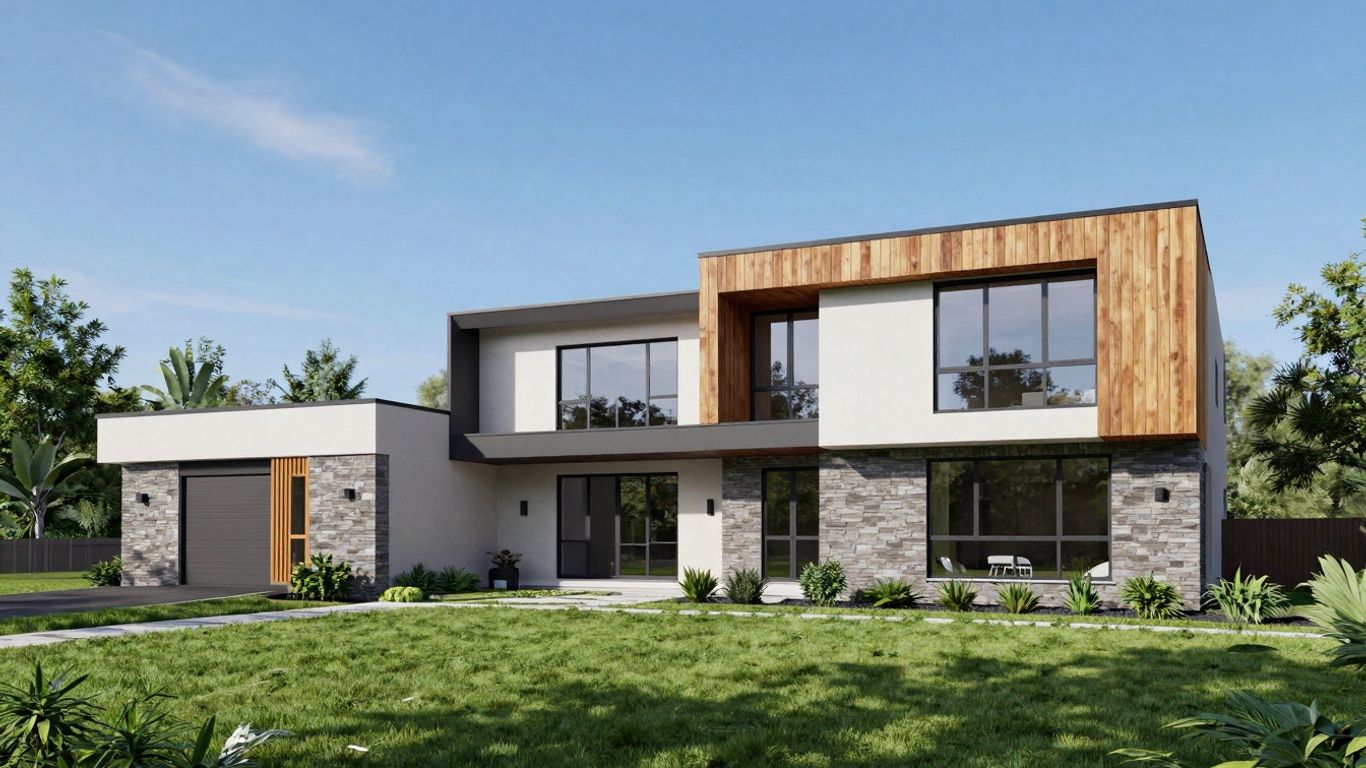
So, you've got your land picked out in the OKC area and you're ready to make it home. That's awesome! Now comes the fun part: actually designing the house. It's not just about picking pretty colors, though. You've got to think about how you live, what you need, and what's actually practical for Oklahoma.
Exploring Available Floor Plans
Lots of builders have pre-made floor plans, and that's a great place to start. Think of them as templates. They've already figured out the basic layout, which can save you a ton of time and money. You can find plans that are super modern, or maybe something more traditional. It's worth looking through a few different builders' options to see what catches your eye. Just remember, plans designed for other states might not work here because of Oklahoma's building codes and climate.
Ranch Style: Often single-story with a low-pitched roof, great for accessibility.
Craftsman: Features natural materials, exposed beams, and a cozy feel.
Modern Farmhouse: A popular blend of rustic charm and clean, contemporary lines.
Two-Story: Maximizes living space on a smaller lot.
Customizing Your Home's Design
This is where your dream home really starts to take shape. Even with a pre-made floor plan, you can usually tweak things. Maybe you want a bigger kitchen island, an extra window in the living room, or a walk-in closet that's just a bit larger. Don't be afraid to ask your builder what's possible. They can help you figure out if a change is feasible and how it might affect the budget. The goal is to make the space work perfectly for you and your family.
Think about:
Flow: How do you move from room to room? Does it feel natural?
Natural Light: Where do you want windows? How much sun do you get at different times of day?
Storage: Seriously, you can never have too much storage. Where will you put everything?
Future Needs: Will this house work for you in 5, 10, or 20 years?
Meeting Oklahoma Building Standards
This is super important and something you really need to rely on your builder for. Oklahoma has specific rules for building homes, and they're there for a reason – safety, durability, and efficiency. Things like wind resistance, proper insulation for our hot summers and cold winters, and even how water drains are all covered. A good builder will know these codes inside and out and make sure your design meets them without you having to worry about it. They'll also know about local zoning rules and property line setbacks, which dictate how close to the edge of your lot you can build.
Building codes aren't just red tape; they're there to protect your investment and ensure your home is safe and sound for years to come. Working with a builder experienced in OKC means they're already familiar with these requirements, making the design and construction process smoother.
Navigating Permits And Utilities
Getting your dream home built on your own land in OKC involves more than just the actual construction. You've got to deal with the paperwork and the hookups. It can seem like a lot, but breaking it down makes it manageable.
Understanding Local Zoning Regulations
Before you even think about breaking ground, you need to know what the local rules are. Zoning dictates what you can build and where. This includes things like:
Residential vs. Commercial Zoning: Making sure your lot is zoned for a home.
Lot Size Requirements: Some areas have minimum lot sizes.
Setbacks: How far your house needs to be from property lines, roads, and other features.
Height Restrictions: Limits on how tall your home can be.
Ignoring these rules can lead to big headaches and costly changes down the line. It's always best to check with the local planning department early on. They can tell you exactly what's allowed on your specific piece of land.
Securing Necessary Building Permits
Once you've got your design and you're sure it fits the zoning, you'll need permits. Think of permits as official permission from the city or county to build. You'll typically need a building permit, and possibly others depending on your project, like electrical or plumbing permits.
Your builder will usually handle this part, but it's good to know what's involved. They'll submit your plans to the authorities for review. This process makes sure your home will be built safely and to code. Getting all your permits in order is a non-negotiable step before construction can begin.
Connecting Utilities To Your Lot
This is where things can get a bit tricky, especially if your land is undeveloped. You need to figure out how to get water, sewer or septic, electricity, and gas to your house. Sometimes, especially in established areas, hookups might be close by. Other times, you might need to run lines quite a distance, which can add significant cost.
Water and Sewer: You'll need to coordinate with the local utility providers. For water and sewer connections, plans often require approval from specific groups within utility engineering to ensure they meet standards. You can find more information on connecting to the City's water or wastewater infrastructure here.
Electricity: Contact the local power company to discuss service availability and installation costs.
Gas: Similar to electricity, reach out to the gas provider.
Septic and Well: If city sewer and water aren't options, you'll need to plan for a septic system and a well. This involves specific permits and site evaluations.
Planning for utilities early is super important. Unexpected costs for bringing services to your lot can really throw off your budget if you're not prepared. Talk to your builder and the utility companies as soon as possible to get estimates.
Getting these permits and utility connections sorted out might not be the most exciting part of building your home, but it's absolutely vital. A good builder will guide you through this process, making it as smooth as possible.
The Advantages Of Building On Your Land
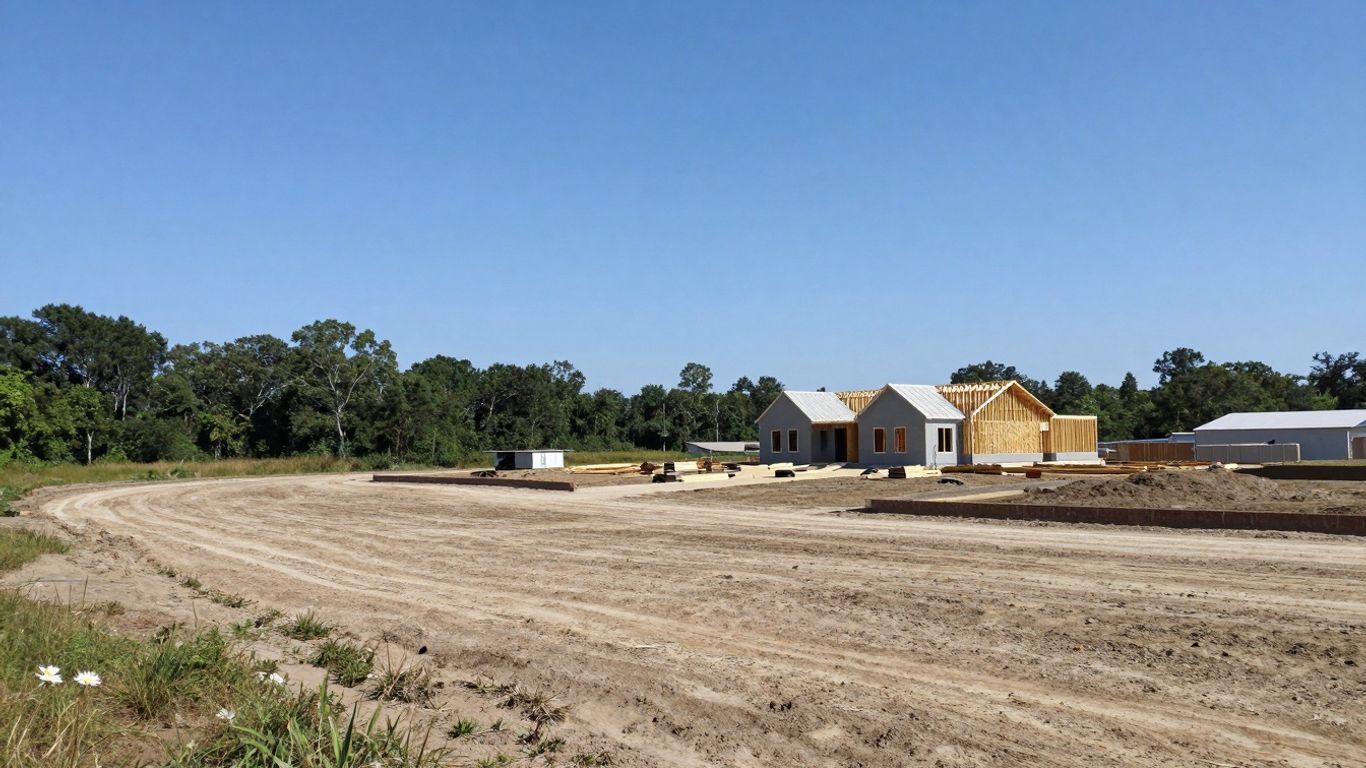
Building a home on your own land in the Oklahoma City area offers a unique set of benefits that you just can't get with other housing options. It’s about taking control and making sure your home is exactly what you want, where you want it.
Achieving Your Exact Vision
This is probably the biggest draw for most people. When you build on your own lot, you're not limited by what someone else has already designed or built. You get to be the architect of your own dream. From the number of bedrooms and bathrooms to the specific style of your kitchen cabinets and the color of your front door, every detail is up to you. You're not just buying a house; you're creating a custom living space that perfectly fits your life. This means no compromises on the things that matter most to you and your family.
Selecting Your Ideal Location
Owning your land means you get to choose the setting for your new home. Maybe you've always dreamed of a quiet spot with some acreage outside the city, or perhaps you prefer being closer to urban amenities but want a specific neighborhood feel. Building on your own land allows you to pick that perfect piece of property. You can consider factors like school districts, commute times, proximity to family, or simply the view from your future living room. It’s about putting down roots exactly where you want them.
Enjoying A Low-Maintenance Home
New construction generally means less immediate maintenance compared to older homes. When you build on your own land, you're starting fresh with all new systems – plumbing, electrical, HVAC, and roofing. This typically translates to fewer unexpected repairs and lower upkeep costs in the initial years. Plus, you can choose modern, energy-efficient materials and appliances from the start, which can save you money on utility bills and contribute to a more comfortable living environment. It’s a chance to build smart from the ground up.
Here are some key advantages to consider:
Complete Customization: Tailor every aspect of your home to your specific needs and tastes.
Location Control: Choose the exact neighborhood or rural setting that suits your lifestyle.
Modern Efficiency: Incorporate the latest building techniques and energy-saving features.
Personalized Investment: Build equity in a home that is uniquely yours and situated on land you own.
Building on your own land gives you the ultimate freedom to design a home that truly reflects who you are and how you live. It's an opportunity to make all the decisions, from the big picture down to the smallest finishes, creating a space that's perfectly suited for you.
Choosing Your OKC Home Builder
Picking the right builder is a big deal when you're building on your own land in OKC. It's not like picking out a car; this is your home, and you want it done right. You'll be working with this person or team for months, so trust and good communication are super important.
Builder Experience and Reputation
First off, you want someone who knows what they're doing, especially when it comes to building on your own lot. Ask how long they've been in business and if they have experience with projects like yours. A builder with a solid track record in the OKC area likely knows the local rules, what works with Oklahoma weather, and has good relationships with subcontractors. Check out their past projects – maybe even visit a few if possible. Online reviews and testimonials can give you a good idea of what past clients thought, too. A builder's reputation is often built on years of happy homeowners.
Budget Management and Transparency
This is where things can get tricky. You need a builder who is upfront about costs. Ask for a detailed breakdown of what everything includes. What's the process if you decide to change something mid-build? Will there be change orders, and how are those handled? A good builder will have a clear system for tracking expenses and will keep you in the loop. It’s helpful if they can provide estimates for different options, so you can make informed decisions without sticker shock later.
Here’s a general idea of what to expect in a builder's estimate:
Note: These are rough estimates and can vary widely based on your home's size, complexity, and chosen materials.
Floor Plan Options and Customization
Does the builder have a library of floor plans you can look through? Even if you have your own design in mind, seeing their existing plans can give you a feel for their style and how they approach layouts. More importantly, how much can you customize? Building on your own lot is all about making it your home. You'll want to know if you can tweak room sizes, move walls, or change finishes. Some builders might have a set list of options, while others are more flexible. Find out if they work with designers or architects if you need help creating something totally unique.
When you're interviewing builders, don't be afraid to ask a lot of questions. It's better to get all the details ironed out upfront than to have misunderstandings down the road. A builder who is patient and willing to explain everything is usually a good sign.
Ready to Build Your Dream Home in OKC?
So, you've got land and a dream for your perfect home right here in the Oklahoma City area. It might seem like a lot to figure out, from finding the right spot to making sure everything's up to code. But remember, you don't have to go it alone. Builders like Landmark Fine Homes and Butler Homes have been doing this for years, helping folks just like you turn their own land into a place they'll love. They know the ins and outs of building in Oklahoma, from the ground up. Thinking about it? It’s worth a chat to see how they can help make your vision a reality, without all the headaches. Your dream home is waiting.
Frequently Asked Questions
What's the first step to building a house on my own land in OKC?
The very first step is to figure out your budget and find the right builder. A good builder can help you find land if you don't have it yet, and they'll guide you through all the other steps, like checking out potential spots and understanding costs.
How much more should I expect to spend than my initial estimate?
It's smart to have extra money set aside, maybe 15% to 25% more than you first thought. This covers things you might forget, like making the land ready to build on, adding a driveway, or picking special finishes for your home.
Do I need to worry about special rules for building on my land?
Yes, you do! You'll need to know about local rules, like where you can build on your property (setbacks) and what permits you need. Your builder should be an expert in these things and help you get everything approved.
Can my builder help me find the perfect spot for my house?
Absolutely! Many builders offer help in finding land. They can even visit potential lots with you to see if they're good for building and what extra costs might be involved.
Are there different types of house plans I can choose from?
Yes, builders usually have a variety of floor plans you can look at. Some are ready to go, while others can be changed to fit exactly what you want. It's important to make sure any plan you pick meets Oklahoma's building rules.
What's the biggest benefit of building on my own land?
The best part is getting exactly the home you've always dreamed of, built just the way you want it, in a location you love. You have total control over the design and features.
Consultation Today!